.webp)







The Wandering Village is a uniquely atmospheric city-builder where your entire civilization is built on the back of a giant, gentle creature called Onbu. Balancing survival, trust, and environmental hazards, the game blends creativity with strategy in a refreshing way. This guide provides a complete mastery path to help you build efficiently, survive long runs, and create a prosperous settlement high above the earth.
Understanding the Core Concept of Life on Onbu
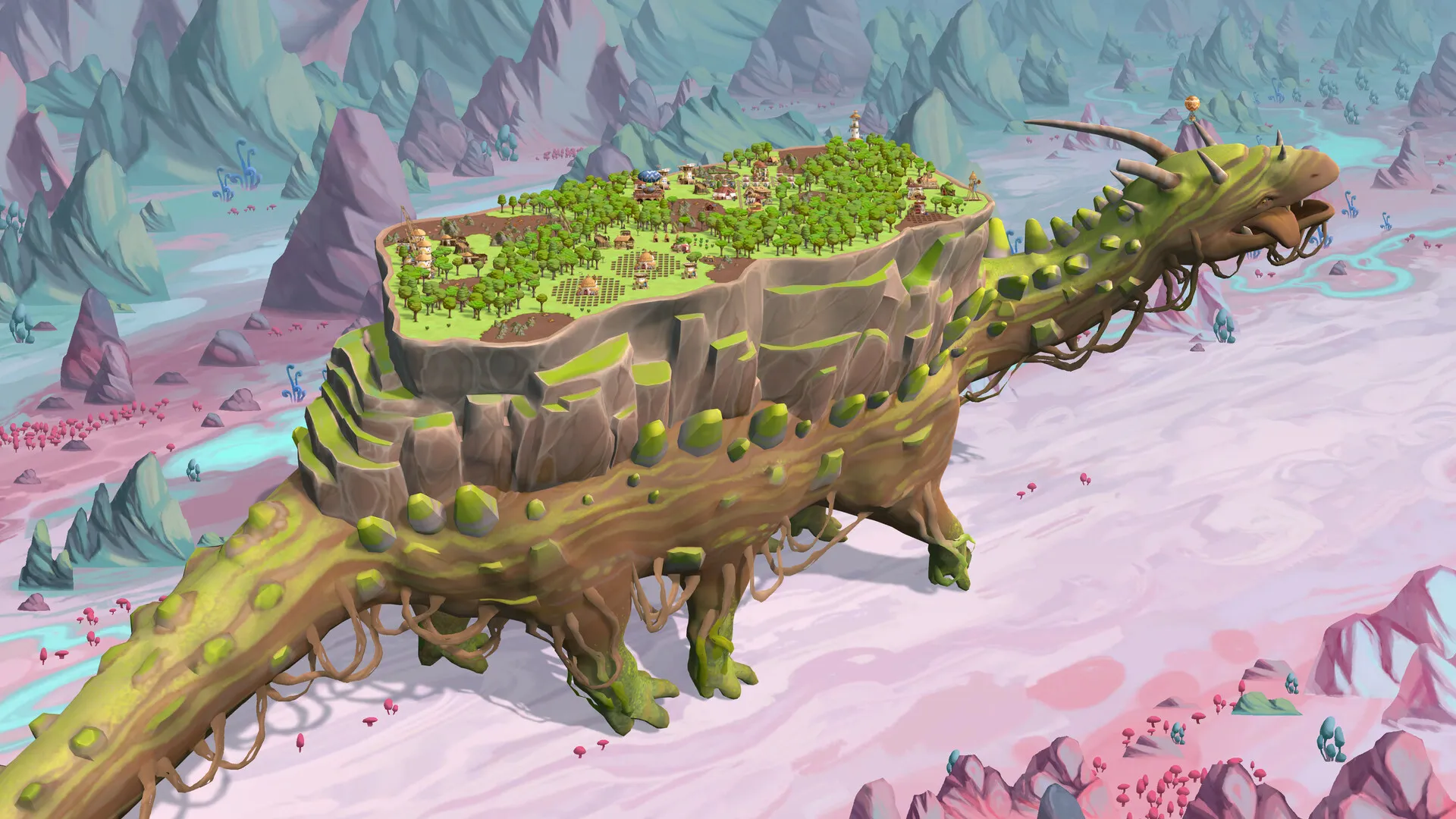
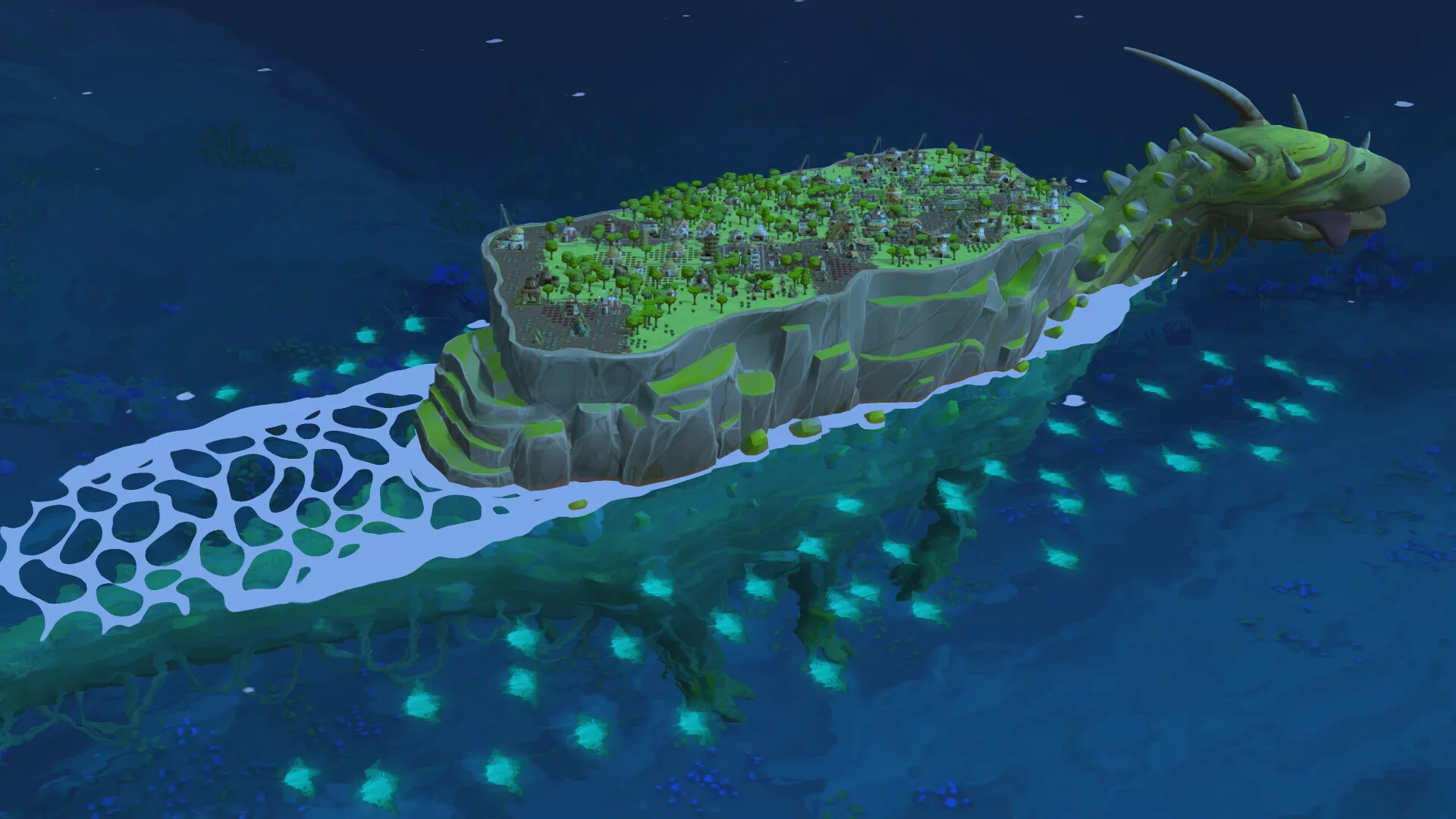
The heart of The Wandering Village lies in the bond between your people and Onbu. Unlike traditional strategy games, your city is constantly moving through biome cycles, making each decision far more reactive and dynamic. You don’t control the terrain — the terrain carries you.
This constant movement forces you to think long-term about resource management and short-term about danger zones. The key to success is understanding how to adapt your city planning and gather resources before each biome shift.
Mastering Early-Game Survival and Resource Priorities
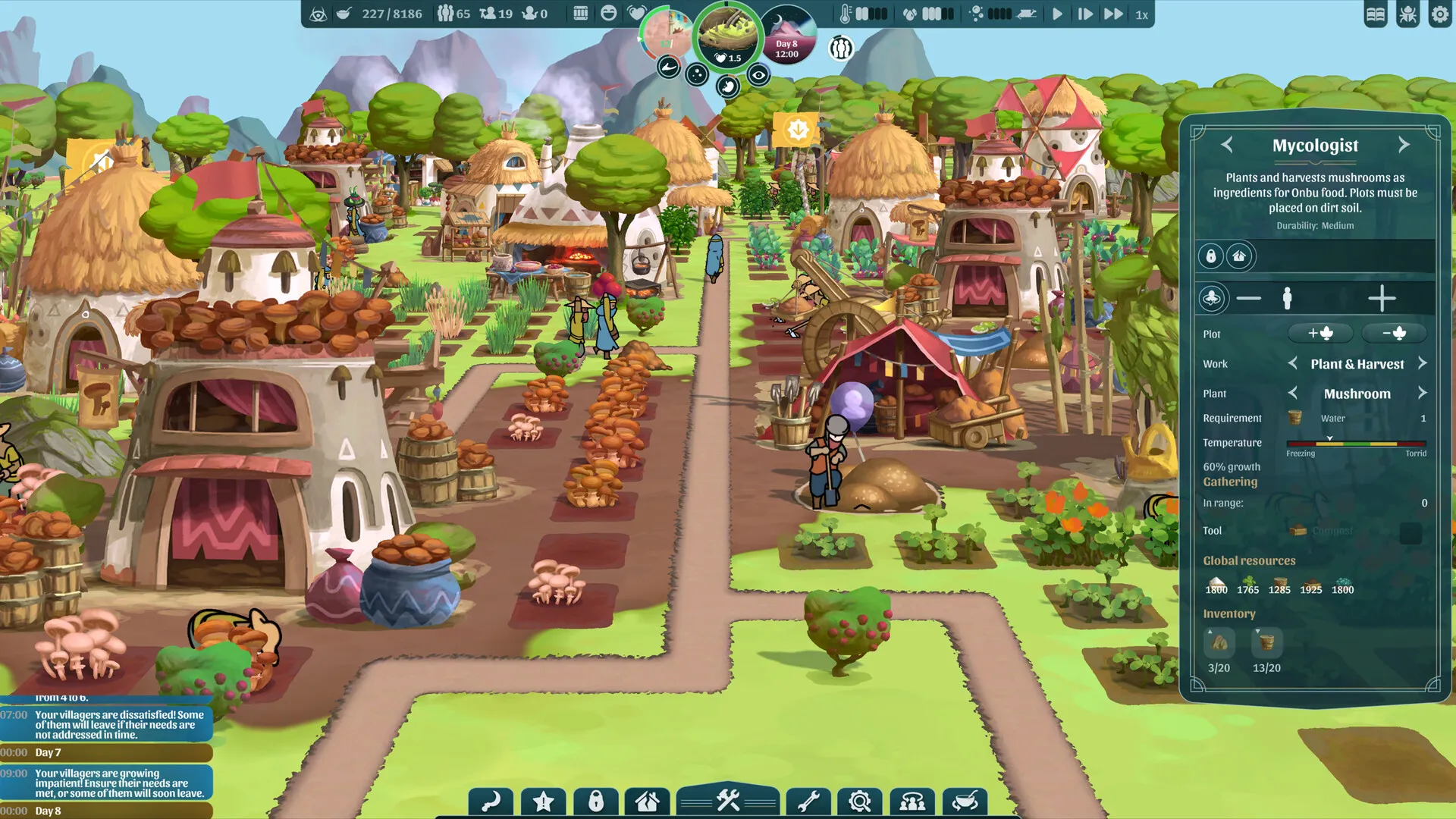
Early on, the challenge is stabilizing food, water, and building materials. Because biomes constantly shift, you must quickly secure food sources that perform well in multiple environments. Berries are your safest starting option due to their consistency.
Stone and wood gathering must be handled carefully since Onbu relies on these natural resources as part of its health. Avoid over-harvesting from Onbu’s spine early to maintain trust.
Building Efficient Settlements on a Moving Surface
Building atop a living creature introduces unique placement challenges. Roads, pathways, and building layouts become essential for maintaining efficiency. Villagers travel slowly without structured routes, so plan early to avoid future bottlenecks.
A compact and organized settlement also reduces wasted time when biomes shift rapidly. Keeping food, housing, and crafting hubs tightly grouped creates a rhythm that your villagers can sustain long-term.
Optimizing Food Production Across Changing Biomes
Food systems shift dramatically depending on temperature, humidity, and biome type. Some crops flourish in deserts but fail in forests, while mushrooms thrive regardless of conditions when feeding Onbu.
To master food production, diversify your farms. Don't rely on a single crop. Rotate your production depending on your predicted biome journey and monitor weather patterns closely to avoid starvation risks.
Managing Onbu’s Health, Trust, and Feeding Systems
Onbu is more than a moving landmass — it’s a living companion whose survival is tied to your own. Feeding Onbu consistently ensures long journeys are safe and prevents situations where it collapses from exhaustion.
Trust is built slowly through care and non-aggressive behavior. Avoid harvesting bones or drilling for resources too early. By building a positive bond, you gain access to commands that help you avoid hazardous paths.
Navigating World Map Hazards and Dangerous Biomes
The overworld presents constant threats such as poison zones, heatwaves, toxic clouds, and industrial ruins. Anticipating these hazards is essential for long-term survival.
Whenever you enter poison biomes, prioritize decontamination squads and medical supplies. Toxicity can spread rapidly across your entire settlement if left unchecked.
Toxicity Management and Long-Term Environmental Safety
Environmental toxicity is one of the deadliest mechanics in the game. Spores infect crops, buildings, and villagers. Without a proper cleansing force, your entire settlement can fall apart quickly.
Always keep at least one decontamination team ready. Staying proactive instead of reactive can prevent massive outbreaks that consume time, resources, and village lives.
Building Effective Research Paths and Late-Game Unlocks
Research is your gateway to better tools such as advanced food production, efficient housing, and improved Onbu interaction systems. Prioritizing research correctly is crucial.
Focus first on village stability technologies and then on Onbu care tools. Late-game research helps you control Onbu more reliably, reducing the risk of entering deadly biomes unexpectedly.
Balancing Industrial Production Without Harming Onbu
Advanced buildings create pollution and stress for Onbu, decreasing trust and overall health. Managing this industrialization is a delicate balance between growth and safety.
Keep polluting structures far from Onbu’s vital zones. Monitoring trust levels will help you understand when you’re pushing Onbu too far and when adjustments must be made.
Long-Run Strategies for High-Difficulty Survival
In late-game scenarios, survival becomes a cycle of resisting environmental hazards and keeping Onbu alive. Extreme biomes require quick adaptation and specialized food systems.
Long-run mastery comes from predicting map traversal patterns, building robust storage systems, and keeping both your villagers and Onbu strong enough to survive multiple harsh biome cycles.
Conclusion: Thriving with Harmony and Adaptation
The Wandering Village rewards careful planning and gentle stewardship. Success comes not just from efficient building but from respecting the massive creature that sustains you. Once you learn to adapt quickly to biomes, manage toxicity, and maintain trust with Onbu, your settlement will thrive across vast landscapes.
This is a game about harmony — between humans, nature, and the unknown future beneath your feet.