.webp)




Introduction
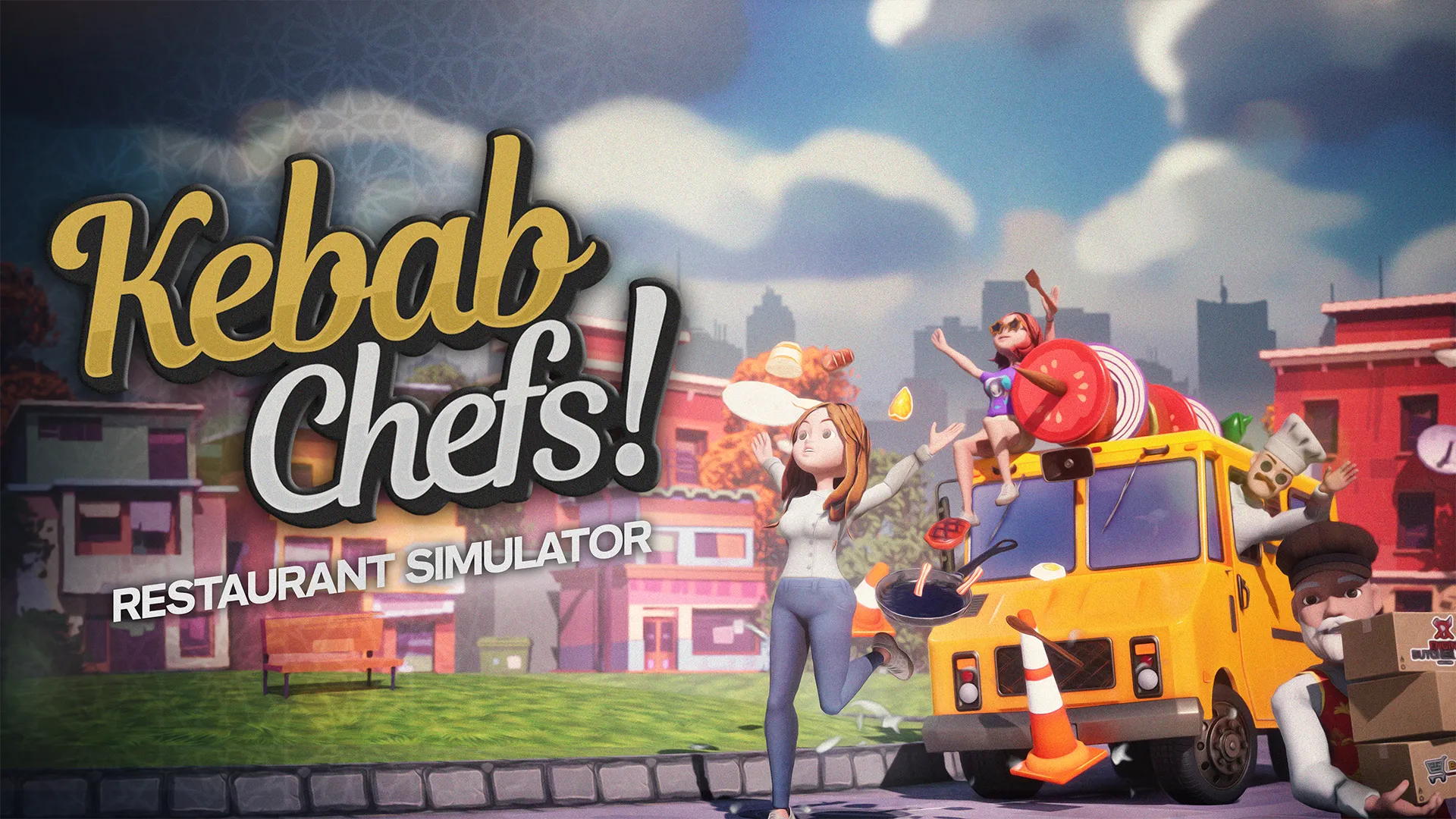
Kebab Chefs! Restaurant Simulator is one of the most engaging restaurant management games available today. Unlike many cooking simulators that focus solely on preparing food, this game combines kitchen operations, customer service, staffing, interior design, and financial management into a complete restaurant experience. Players begin with a small kebab shop and gradually transform it into a thriving business.
However, one issue consistently affects both new and experienced players: poor restaurant expansion. Many players earn a decent amount of money early on, only to watch profits disappear after purchasing more tables, hiring unnecessary staff, or expanding too quickly. What appears to be growth often becomes a financial trap.
This guide explores the most common restaurant expansion mistakes in Kebab Chefs! Restaurant Simulator and explains how to avoid them. By understanding the progression of growth, players can build a successful restaurant without wasting resources.
 Understanding the Early-Game Economy
Most players begin with limited funds and a simple setup. The temptation is to spend earnings immediately on decorations, furniture, or additional equipment. While upgrades seem beneficial, the game's economy rewards efficiency more than appearance during the early stages.
A small restaurant with fast service and low operating costs can often outperform a larger restaurant struggling with expenses. New players frequently assume that bigger equals better, but the game's mechanics prioritize profit margins and customer satisfaction.
Why Small Operations Work Better
A compact restaurant offers several advantages:
- Lower maintenance costs
- Easier customer management
- Faster food delivery
- Better workflow efficiency
- Reduced staffing requirements
Focusing on consistency before expansion creates a strong financial foundation.
The First Expansion Trap
After earning initial profits, players often purchase additional tables immediately. More tables theoretically mean more customers, but reality is different.
Every new table increases workload. More guests require more food preparation, more cleaning, and faster service. If kitchen capacity remains unchanged, customers begin waiting longer.
As waiting times increase, customer satisfaction drops. Negative reviews can quickly offset any gains from increased seating.
Signs You Expanded Too Early
Watch for these warning signs:
- Long customer queues
- Frequent complaints
- Employees constantly overloaded
- Reduced daily profits
- Increased food waste
If these problems appear immediately after expansion, the restaurant likely grew faster than its operational capacity.
Kitchen Bottlenecks Destroy Revenue
One of the biggest hidden issues in Kebab Chefs! Restaurant Simulator is kitchen congestion. Players often focus on dining space while neglecting food production.
A crowded kitchen creates delays at every stage. Ingredients take longer to reach preparation stations, chefs interfere with one another, and completed dishes wait for delivery.
The result is a chain reaction that affects the entire restaurant.
Common Kitchen Mistakes
Poor Equipment Placement
Many players place stations based on available space rather than workflow.
Excessive Appliances
Adding too many machines can reduce movement efficiency.
Narrow Walkways
Staff members constantly collide when paths are too small.
A properly organized kitchen often generates more profit than an expensive expansion project.
Hiring Too Many Employees
Hiring staff feels like a natural solution to growing demand. Unfortunately, excessive hiring is one of the fastest ways to destroy profitability.
Every employee represents a recurring expense. If worker productivity does not exceed salary costs, profits decline.
New players often hire workers before fully understanding existing workflow problems.
When To Hire
Consider hiring only when:
- Current staff operate at maximum efficiency
- Customer demand exceeds capacity
- Daily profits remain stable
- Workstations are fully utilized
Employees should solve a proven problem rather than serve as insurance against future challenges.
Ignoring Customer Flow
Many players focus exclusively on cooking while ignoring customer movement.
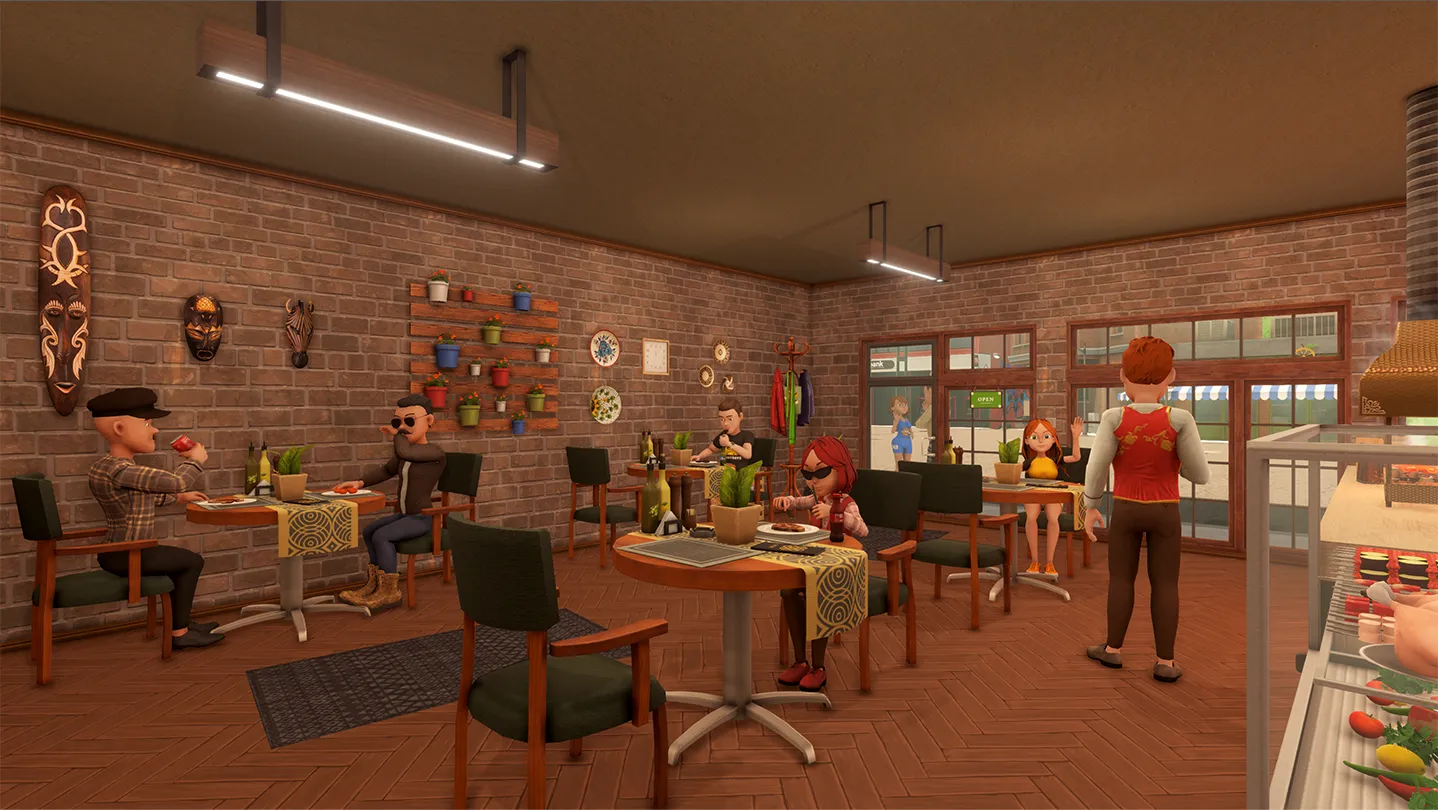
Customer flow affects nearly every aspect of restaurant performance. Guests need clear paths to enter, order, sit, eat, and leave. Congested pathways create delays even when food production is excellent.
Poor layouts often result in customers waiting unnecessarily despite available seating.
Optimizing Traffic
Successful layouts usually feature:
- Wide entrances
- Clear table spacing
- Direct access to service areas
- Efficient cashier locations
- Minimal walking distance
Good customer flow increases turnover and revenue without requiring additional expansion.
The Decoration Overspending Problem
Decorations improve atmosphere and customer satisfaction, but many players invest too heavily too early.
Expensive decorative items rarely generate immediate returns. While appearance matters, profitability should always come first.
Players often spend thousands on aesthetics while essential operational upgrades remain unfinished.
Prioritizing Investments
Follow this order:
- Kitchen efficiency
- Seating optimization
- Staff improvements
- Storage capacity
- Decorations
This progression ensures every investment contributes directly to growth.
Inventory Management Mistakes
Restaurant expansion naturally increases ingredient consumption. Many players fail to adjust inventory systems accordingly.
Running out of ingredients during peak hours can be disastrous. Customers leave unhappy, sales decline, and operational efficiency suffers.
At the same time, excessive inventory creates waste and ties up valuable capital.
Inventory Best Practices
Maintain a balance by:
- Tracking high-demand ingredients
- Monitoring daily usage
- Purchasing according to demand trends
- Avoiding unnecessary stockpiling
Efficient inventory management supports sustainable expansion.
 Scaling Menu Complexity Too Quickly
Adding new menu items seems like a smart strategy for attracting customers. However, complexity often creates operational challenges.
Each new recipe introduces additional ingredients, preparation steps, and storage requirements. A larger menu can overwhelm staff and slow production.
Many successful restaurants earn more by mastering a smaller menu.
Benefits of Menu Simplicity
A focused menu provides:
- Faster preparation times
- Easier inventory management
- Lower ingredient costs
- Better staff efficiency
- Improved customer service
Expansion should occur only after existing operations become highly efficient.
Advanced Expansion Strategy
Once profits become stable, expansion becomes far less risky.
At this stage, players should evaluate every upgrade through the lens of return on investment. The goal is not simply increasing restaurant size but increasing profitability.
Successful players grow in stages rather than making massive purchases.
Expansion Checklist
Before expanding, verify:
- Daily profits are consistently positive
- Staff workloads remain manageable
- Customer satisfaction is high
- Inventory levels are stable
- Kitchen efficiency is optimized
Meeting these conditions dramatically reduces expansion risks.
Recovering From Expansion Mistakes
Not every expansion decision works. Fortunately, recovery is possible.
Many players panic after experiencing declining profits and continue spending in an attempt to solve problems. This often worsens the situation.
Instead, successful recovery requires identifying operational weaknesses and correcting them systematically.
Recovery Steps
Reduce Unnecessary Costs
Evaluate staffing and equipment expenses.
Improve Workflow
Reorganize kitchens and customer areas.
Focus on Core Revenue
Prioritize high-demand menu items.
Rebuild Financial Stability
Allow profits to recover before pursuing further growth.
Patience often solves problems that money cannot.
Building the Ultimate Restaurant
The best restaurants in Kebab Chefs! Restaurant Simulator are not necessarily the largest. They are the most efficient.
Elite players understand that sustainable growth depends on balancing customer satisfaction, staff productivity, kitchen efficiency, and financial management. Expansion becomes a tool rather than a goal.
When every system operates smoothly, growth naturally follows. Profits increase, customer reviews improve, and the restaurant develops into a successful business capable of handling future challenges.
Conclusion
Restaurant expansion is the most common source of financial problems in Kebab Chefs! Restaurant Simulator. While growth appears exciting, expanding too quickly often creates kitchen bottlenecks, staffing issues, customer dissatisfaction, and declining profits. Players who focus on efficiency, workflow optimization, inventory management, and gradual scaling consistently outperform those who rush into large upgrades. By treating expansion as a strategic process rather than an immediate objective, players can build a profitable restaurant that continues growing successfully throughout the game.