

In the ever-evolving landscape of digital entertainment, few titles have managed to seize the public’s imagination quite like Hozy. Originally appearing as a whispered-about indie project on obscure development forums, Hozy has grown into a global cultural touchstone by 2026. The game, which cleverly blends the unsettling atmosphere of survival horror with the soothing, repetitive loops of "cozy" life simulators, effectively birthed a new sub-genre: the Horror-Cozy. Its journey from a shoestring budget to a multi-platform powerhouse is a testament to the power of community-driven development and the modern gamer's desire for experiences that are both challenging and comforting. This comprehensive news chronicle explores the timeline of Hozy’s rise, its technical milestones, and the controversies that shaped its path to becoming a 2026 industry leader.
1. The 2023 Kickstarter Spark: A New Genre is Born
The news first broke in the fall of 2023 when a small studio named Vesper & Wick launched a modest Kickstarter campaign for a project titled "Hozy." At the time, the gaming press was skeptical. The pitch—a game where you manage a whimsical flower shop during the day but must defend your soul from Eldritch shadows at night—seemed like a bizarre tonal clash. However, the initial reveal trailer went viral on TikTok and X (formerly Twitter), garnering over 10 million views in forty-eight hours. News outlets quickly pivoted, labeling Hozy the "dark horse" of the indie scene, as backers poured over $1.5 million into the project in just thirty days.
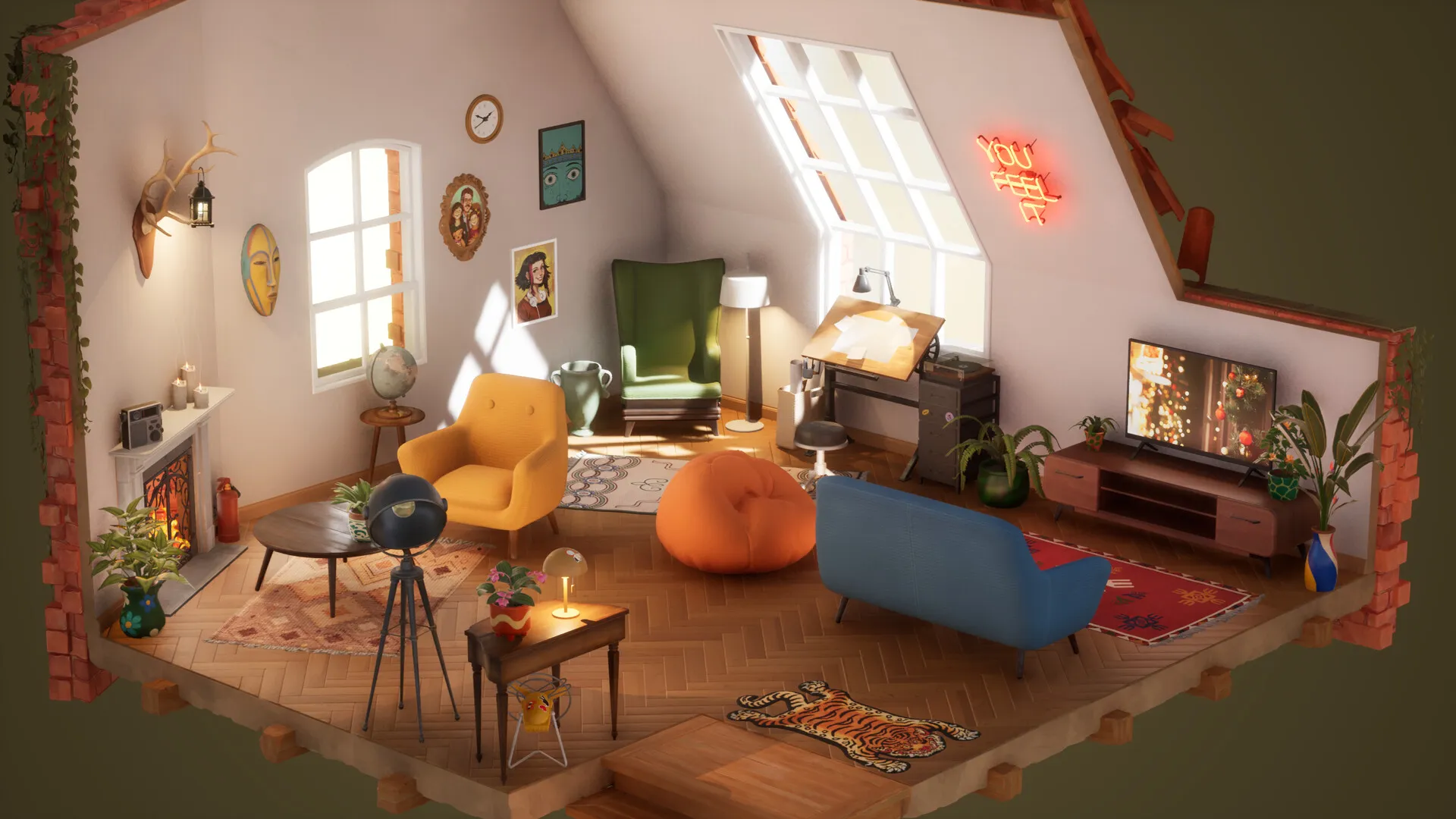
During this initial funding phase, the news focused heavily on the developers’ commitment to "Atmospheric Dissonance." They promised a world where the player could customize their cottage with thousands of items, yet every item carried a "Sanity Cost" that could attract different types of nocturnal entities. This unique mechanical hook became the primary subject of academic-style game design blogs, with many praising the studio for innovating beyond the standard "farming sim" tropes. By the time the Kickstarter closed, Hozy wasn't just a game; it was a movement.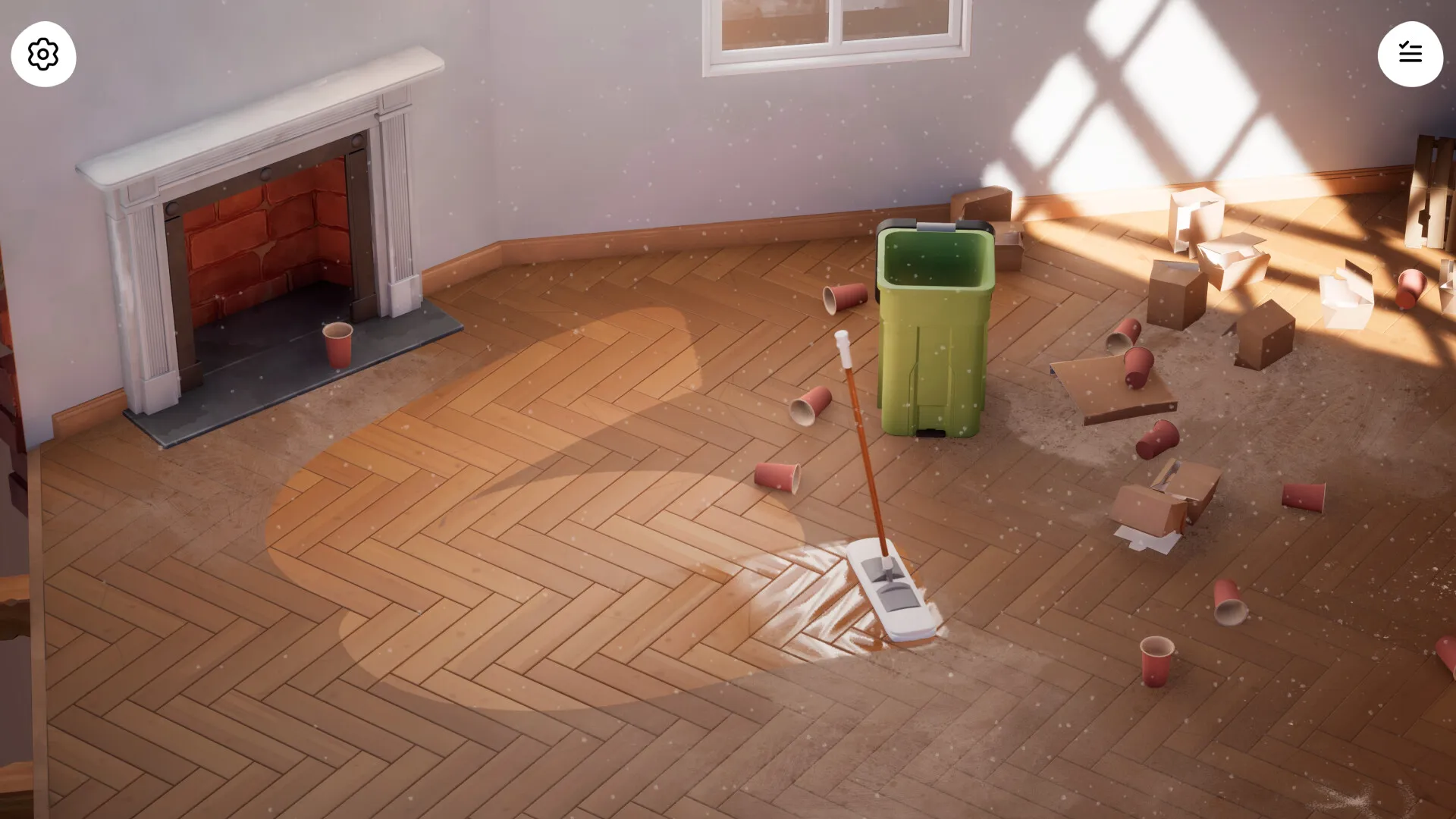
2. The Early Access Launch: Navigating the "Beautiful Mess" (Late 2024)
In November 2024, Hozy finally entered Early Access on Steam. The news headlines were a mix of awe and frustration. On one hand, the visual fidelity—a hand-painted watercolor aesthetic that twisted into a Giger-esque nightmare under moonlight—was unlike anything players had seen. On the other hand, the game was plagued by "Soft-Lock" bugs and server instability during the newly introduced co-op mode. News reports from this period focused on the "Developer Crunch," as Vesper & Wick worked around the clock to release daily patches to stabilize the experience.
Despite the technical hurdles, the player numbers told a different story. Hozy reached a peak of 250,000 concurrent players within its first week. Journalists noted that the "social news" surrounding the game was largely positive; players were sharing screenshots of their "Safe Zones" and theorizing about the hidden lore found in ghost-written letters. This era was defined by the community’s patience, as the news cycle shifted from criticizing bugs to celebrating the developer’s transparency and the rapid pace of improvements.
Key Launch Metrics
- Total Sales (Week 1): 1.2 Million units.
- Steam Review Score: 88% (Very Positive).
- Top Streaming Category: #4 on Twitch for the month of November.
3. The "Hozy" Aesthetic and the Social Media Explosion (Early 2025)
By early 2025, the news regarding Hozy had moved beyond gaming circles and into mainstream lifestyle publications. The game’s unique aesthetic—now officially dubbed "Hozy Core"—began influencing interior design and fashion. Magazines like Vogue and Architectural Digest published features on the game's color palettes, which blended pastel lavenders with deep, abyssal blacks. This news was significant because it signaled the game’s transition from a niche software product to a broader cultural brand.
H3: The "Cottage-Goth" Influence
The news of the "Cottage-Goth" update in February 2025 brought with it a wave of new customization options.
- Luminescent Flora: Plants that provided light but attracted "Sound-Seekers."
- Victorian Ritual Tools: Furniture that doubled as defensive barriers.
- Adaptive Music: A soundtrack that shifted seamlessly from Lo-fi beats to orchestral horror based on the "Threat Level."
H4: Influencer Impact
Mainstream influencers who had never played horror games before were suddenly streaming Hozy, citing its "manageable scares" as the perfect gateway. News reports analyzed this phenomenon, suggesting that Hozy had tapped into a collective societal anxiety, providing a space where players could "organize their fears" within a controlled, beautiful environment.
4. The "Whisper Woods" Expansion: Redefining Exploration (Mid 2025)
In June 2025, Vesper & Wick released the first major content expansion, The Whisper Woods. The news headlines focused on the expansion’s revolutionary "Procedural Dread" engine. Unlike the static maps of the base game, the Whisper Woods changed its layout every time the sun set, forcing players to rely on a complex "Scent and Sound" navigation system. This was the first time the game’s horror elements truly took center stage, and news outlets praised the expansion for raising the stakes without alienating the "cozy" fanbase.
The expansion also introduced the "Spirit Taming" mechanic. News reports detailed how players could now rescue troubled spirits and offer them a place in their village, turning former enemies into productive community members. This mechanical shift was a huge news beat, as it emphasized the game’s core theme of redemption and empathy. The update saw a 40% increase in active users, proving that the Hozy community was hungry for more challenging, narrative-driven content.
5. Technical Breakthroughs: The "Comfort-AI" System (Late 2025)
As 2025 drew to a close, the technical news regarding Hozy focused on the implementation of the "Comfort-AI" system. This proprietary technology analyzed a player’s biometric data (if they used compatible wearables) or their in-game movement patterns to adjust the difficulty in real-time. If the AI detected that a player was becoming genuinely distressed or bored, it would subtly modify the spawn rates of monsters or the yield of harvested crops. This news sparked a massive debate in technical circles about the ethics of AI monitoring in gaming.
Despite the controversy, the system was a technical marvel. News analysis from The Verge and Wired highlighted how the AI created a "perfect flow-state," ensuring that the game was always exactly as scary as the player wanted it to be. This update also included the "Zen Mode" for those who wanted to remove the horror elements entirely, though news reports noted that over 80% of players chose to keep the "Hozy" balance intact, preferring the thrill of the occasional scare over total safety.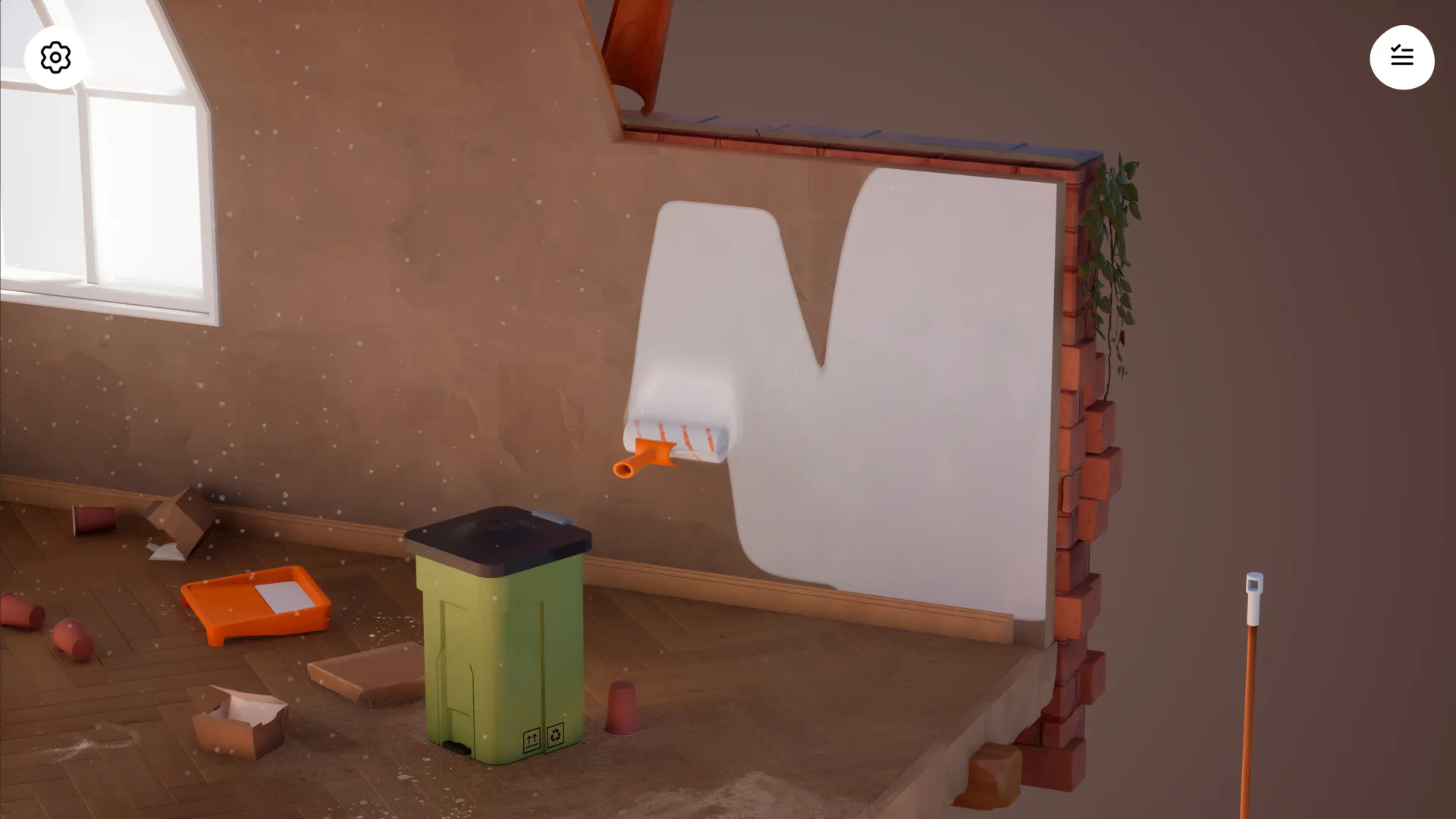
6. Console Expansion and the Cross-Play Revolution (Early 2026)
January 2026 marked a pivotal moment in Hozy news: the long-awaited launch on PlayStation 6 and Xbox Series Ω. The console version wasn't just a port; it was a "Definitive Edition" that included full haptic feedback support. News reports detailed how the PS6 controller would pulse like a heartbeat when a monster was near, and the adaptive triggers would resist when the player tried to push a heavy piece of furniture to block a door. This level of immersion brought a whole new audience to the game.
Perhaps the biggest news of the month was the announcement of Full Cross-Play and Cross-Progression. A player could start their garden on a PC at work, tend to it on their mobile device during their commute, and then engage in high-stakes defense on their console at home. This seamless integration became a major talking point for industry analysts, who pointed to Hozy as the gold standard for how modern multi-platform titles should function.
7. March 2026: The Competitive "Hozy-Off" and Esports Entry
The most recent news, as of March 2026, involves the shocking entry of Hozy into the competitive esports arena. While it might seem counter-intuitive for a "cozy" game to have a pro scene, the "Hozy-Off" tournaments have become a massive success. In these events, teams compete to build the most aesthetically pleasing and efficiently defended village under a strict time limit and a barrage of escalating horror events. News of the first $500,000 Invitational in Las Vegas dominated the headlines last week.
Tournament Structure and Rules
- The Prep Phase: 30 minutes of "Cozy" resource gathering and building.
- The Siege Phase: 15 minutes of surviving a "Blood Moon" entity swarm.
- The Judging: A panel of guest judges scores based on Creativity (40%), Efficiency (30%), and Survival Time (30%).
The news surrounding these tournaments has highlighted a new breed of "Pro-Gamer"—one who values architectural design and resource management as much as fast reflexes. The "Hozy-Off" has already secured major sponsorships from home decor brands and technology companies, signaling a lucrative future for the competitive side of the genre.
8. Merchandise and the "Hozy Home" Lifestyle Brand (April 2026 Forecast)
Looking slightly ahead, the news cycle is already buzzing with reports of the "Hozy Home" lifestyle brand. Vesper & Wick have announced partnerships with major retailers to bring in-game furniture designs into the real world. News of a Hozy-themed IKEA collection has sent social media into a frenzy, with fans eager to own real-life versions of the "Moonlight Lantern" or the "Thorn-Weave Rug."
This expansion into physical goods is part of a broader strategy to turn Hozy into a "Lived Experience." News analysts suggest that by bridging the gap between the digital and physical worlds, Vesper & Wick are ensuring the longevity of the brand. There are even rumors of a "Hozy Cafe" opening in Tokyo later this year, which would offer themed food and a "safe, spooky" atmosphere for patrons to play the game together.
9. Addressing the "Genre Crisis": The News Debate on Clones
As with any successful product, Hozy has inspired a wave of imitators, leading to what some are calling the "Genre Crisis" of 2026. The news is currently filled with reports of "Hozy-Clones"—low-quality games that copy the aesthetic without understanding the delicate balance of the mechanics. Vesper & Wick’s CEO recently gave an interview to GameSpot addressing this, stating that while they welcome competition, they worry that "cheap imitations will dilute the Hozy name."
H3: The Battle for the Trademark
A major news story broke last month regarding a legal battle between Vesper & Wick and a large mobile publisher over the use of the term "Hozy." The outcome of this case will likely set a precedent for how "Genre Names" are protected in the future.
H4: Community Response
- The Purists: A segment of the community that only supports the original game.
- The Explorers: Players who enjoy the clones but admit they lack the "soul" of the original.
- The Modders: News of the "Hozy Unity" project has emerged, where fans are creating their own assets to help define what makes a game "officially" Hozy.
10. The Road to Version 2.0: What the Future Holds
The final news beat of this retrospective focuses on the recently leaked details of Hozy 2.0. This massive update, scheduled for late 2026, promises a complete engine overhaul and the introduction of "World-Building" tools. This would allow players to create their own maps, entities, and narrative arcs, effectively turning Hozy into a platform for horror-cozy storytelling. News of the "Hozy Creator Fund" has already been announced to reward the best community-made content.
As we move further into 2026, the news surrounding Hozy remains as vibrant and unpredictable as the game itself. From its humble Kickstarter roots to its current status as a cultural behemoth, Hozy has proved that there is a deep, untapped market for games that embrace the complexity of human emotion. It is a game that understands that we are at our most comfortable when we have faced our fears—and then successfully decorated around them.
Conclusion
The chronicle of Hozy is a testament to the transformative power of a truly original idea. Over the past three years, the news has tracked a remarkable journey of technical innovation, cultural impact, and community resilience. By successfully marrying the "Horror" and "Cozy" genres, Hozy did more than just sell millions of copies; it changed the way we think about the purpose of play. It taught the industry that players don't just want to escape reality; they want to find beauty in the shadows and comfort in the struggle. As we look toward the 2.0 update and beyond, the news of Hozy continues to be a beacon for indie developers everywhere, proving that even the strangest of pitches can become the most beloved of legends. The "Horror-Cozy" era is here to stay, and Hozy remains its undisputed king.