.webp)







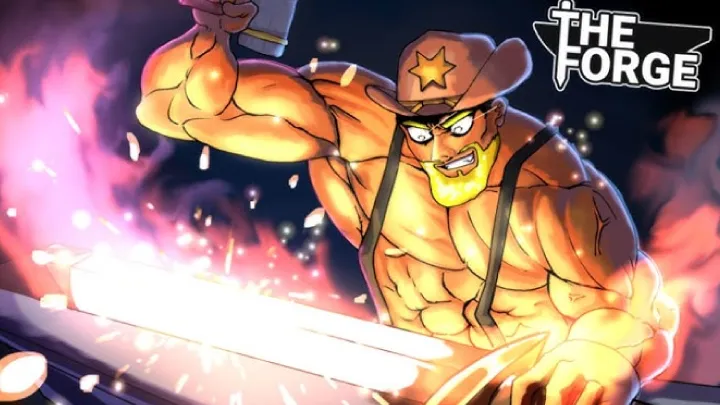
Roblox The Forge is an ambitious fantasy adventure experience that blends crafting, exploration, combat, and cooperative teamwork into one immersive game. Players enter a mystical realm where raw materials, legendary blueprints, ancient enemies, and giant forging stations shape the journey. At first glance, The Forge seems simple: gather resources, craft equipment, and defeat enemies. But very quickly, the game reveals deeper layers. Crafting requires precision. Combat demands timing. Quests require puzzle solving. Teamwork becomes essential for surviving the more dangerous regions.
This how to guide provides everything you need to understand, master, and progress through Roblox The Forge, from basic survival to advanced forging techniques. Whether you are new to the game or looking to optimize your builds and strategies, this complete walkthrough will help you succeed with confidence.
Understanding the World of The Forge
The first step in mastering The Forge is understanding its world structure. The game is divided into regions, each with specific materials, monster types, environmental hazards, and hidden secrets. Beginners start in relatively safe areas where basic ore, wood, and plants grow abundantly. As you progress, you will enter volcanic fields, icy wastelands, corrupted caverns, and ancient ruins filled with hostile enemies.
Every region is designed to teach a new mechanic. Early zones emphasize gathering and crafting, while later areas focus on combat and advanced resource management. Exploring slowly allows you to understand the layout, find safe routes, and collect everything you need without rushing into danger.
It is also crucial to interact with NPCs scattered across the map. Many give quests that unlock new crafting tools, blueprints, or abilities. Some NPCs offer daily tasks that provide rare materials. Talking to them regularly is an important habit for long term progress.
Learning Basic Controls and Movement
Movement in The Forge may seem simple, but mastering it gives you an advantage in exploration and combat. Running, jumping, dodging, and climbing are essential for navigating uneven terrain and avoiding enemy attacks. Sharp movement helps you survive more difficult zones where enemies hit harder and environmental hazards are deadly.
One important technique is strafe dodging. By moving diagonally while turning your camera, you can avoid many slow enemy attacks without wasting stamina. Practicing this early helps significantly in later fights.
Jump timing is another crucial skill. Some regions contain platforms, cliffs, and parkour segments. Basic missteps can lead to falling damage or returning to earlier parts of the map. Always observe edges carefully and use controlled movement rather than rushing forward without looking.
Gathering and Understanding Resources
The Forge revolves around resource gathering. Every piece of equipment, weapon, and tool begins with raw materials found throughout the world.
Common resources include wood, stone, iron ore, and basic herbs. These are used for starter tools and simple upgrades. Uncommon materials such as crystalline shards, enchanted bark, and volcanic metal appear in mid game zones and unlock better armor and stronger weapons. Rare resources like mythril and soulstone are required for legendary gear.
Gathering efficiently involves using the right tool for each resource. Upgrading your pickaxes, axes, and specialty tools increases gathering speed and yields. In some areas, only advanced tools can harvest certain materials. Keeping a full set of upgraded gathering equipment ensures you never miss valuable items.
Some resources respawn slowly, so planning farming routes saves time. With enough practice, you will learn optimal paths for collecting rare resources before other players claim them.
How to Craft Tools, Weapons, and Armor
Crafting defines your entire progression in The Forge. At crafting stations, you convert raw materials into items that improve your stats and combat capabilities.
The basic crafting station allows you to build low level gear, but higher tiers unlock once you complete quests or reach new zones. Each tier introduces new blueprints, which can be found in treasure chests, bought from NPCs, or earned through completing challenges.
To craft efficiently, focus on balancing three factors: damage, defense, and utility. Do not invest all your resources into only weapons or only armor. Balanced gear prevents weaknesses that enemies can exploit.
Upgrading equipment is another major mechanic. Many items can be strengthened by combining them with rare materials. Each upgrade increases durability, power, or unique effects like elemental damage or faster cooldowns.
Mastering Combat Enemies Bosses and Timing
Combat is one of the most rewarding elements of The Forge. Enemies grow progressively stronger, and each region introduces new threats.
Basic enemies teach you to dodge and attack carefully. Their patterns are predictable but punishing if ignored. Mid game enemies require more strategy, including interrupting their attacks or using terrain to your advantage.
Bosses represent the biggest challenge. They have multiple attack phases, large health pools, and deadly abilities. Studying boss patterns is essential. For example, many bosses telegraph heavy attacks by raising their arms or glowing before striking. Dodging at the correct moment ensures survival.
Your choice of weapon also determines your combat style. Heavy weapons hit hard but swing slowly. Fast weapons allow constant movement but require precision. Ranged weapons let you attack safely but depend on good aim. Experiment with all styles to find the one that fits your playstyle.
How to Upgrade Tools and Gear Effectively
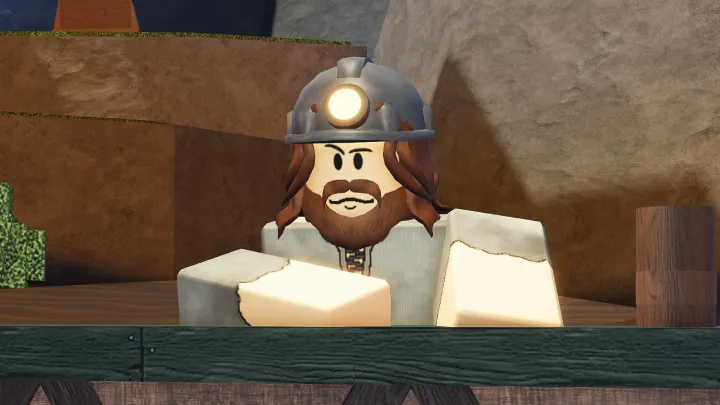
Upgrading is a long term strategy that helps you keep up with rising difficulty. Each upgrade requires materials that become available only after progressing through specific regions.
Prioritize upgrading tools before armor and weapons. Better tools unlock more resources, which eventually allow you to craft stronger gear.
Upgrading armor reduces damage dramatically. Enemy attacks hit harder in later stages, so higher defense is essential for survival.
Weapon upgrades increase damage, but also unlock additional effects such as elemental bonuses. Some enemies are weak to fire, ice, or lightning, making elemental builds incredibly powerful.
Always check upgrade requirements before entering new regions. Gathering materials ahead of time prevents unnecessary backtracking.
How to Explore and Complete Quests
Quests guide progression by unlocking new abilities, tools, and crafting stations. Many quests require gathering resources, defeating enemies, or solving puzzles.
Exploration is a major part of quest completion. Certain quests lead you into hidden caves, underwater tunnels, or floating ruins. Observing visual clues helps you locate these areas without getting lost.
Some quests require combining multiple objectives. For example, a quest might require defeating a specific boss after collecting rare materials. Completing these tasks expands your crafting options and opens new regions.
Exploring with intention increases efficiency. Mark important locations mentally or use landmarks to navigate challenging zones. Always keep spare tools, potions, and repair materials to avoid running out of resources mid quest.
How to Progress Efficiently Through the Mid and Late Game
Once you reach mid game zones, enemies become much stronger and resources are harder to find. Efficiency becomes the key to progression.
Plan your crafting priorities. Do not craft every item available. Instead, focus on items that improve survivability or unlock new zones.
Manage inventory carefully. Carrying unnecessary items slows you down, and full bags prevent you from collecting rare materials. Sort your items regularly.
Teamwork becomes essential in late game areas. Some bosses cannot be defeated alone because they require coordinated attacks, shared healing, or synchronized mechanics. Playing with friends makes progression easier and more enjoyable.
Late game crafting involves rare blueprints that require defeating powerful enemies repeatedly. Patience and persistence lead to the strongest gear in the game.
Advanced Techniques and Optimization Strategies
At high levels, the difference between average and expert players becomes clear. Advanced techniques help you maximize efficiency and outperform challenges.
Animation canceling allows you to shorten attack animations and increase damage output. This technique requires timing but dramatically improves combat effectiveness.
Resource routing is another advanced skill. By planning a precise route through different regions, you collect maximum materials in minimum time.
Elemental builds become viable in late game. Combining specific armor sets with elemental weapons lets you exploit enemy weaknesses easily.
Mastering stamina management ensures that you always have enough energy to dodge, attack, and run. Learning when to rest and when to strike separates experts from beginners.
Conclusion
Roblox The Forge is a deep, complex, rewarding adventure filled with crafting, exploration, combat, and teamwork. Mastering the game involves understanding resource gathering, learning combat patterns, upgrading tools wisely, and exploring each region with caution and strategy. As you progress through quests and challenges, you will unlock new abilities, stronger gear, and greater knowledge of the world around you. With patience, good planning, and the techniques in this guide, you can forge powerful weapons, defeat intimidating enemies, and fully experience everything the game has to offer.
Summary
A complete how to guide for Roblox The Forge covering crafting combat upgrades exploration and strategies to progress efficiently and survive tougher regions.