.webp)





Geometry Dash is a fast-paced rhythm-based platformer that has earned legendary status among players who love precision, challenge, and music-driven gameplay. Despite its simple controls and minimalistic visuals, Geometry Dash has grown into a long-lasting hit thanks to its difficulty curve, creative tools, and passionate community. This article explores the evolution of Geometry Dash, explains how the game works, and shows why it continues to attract players worldwide.
1. The Origins of Geometry Dash: A Simple but Bold Idea
Geometry Dash was developed by Robert Topala (RobTop) and first released in 2013. The core idea was straightforward: control a square character that jumps automatically to the rhythm of electronic music. Players only needed one input, yet the challenge was intense.
This simplicity helped Geometry Dash stand out in a crowded mobile game market. It quickly gained attention as a difficult but rewarding game that tested reflexes and focus.
Core Concept
One-button gameplay synchronized with music.
Why It Felt Different
Timing and rhythm mattered more than complex controls.
2. Early Popularity and Viral Growth
Shortly after release, Geometry Dash became popular on mobile devices and PC. Players shared clips of difficult levels, showcasing skill and persistence. Watching others fail and succeed became entertainment itself.
This viral sharing helped Geometry Dash grow far beyond expectations, especially among younger gamers and rhythm game fans.
Community Sharing
Gameplay clips spread rapidly on social platforms.
Difficulty as a Feature
Hard levels increased replay value and prestige.
3. Core Gameplay Mechanics Explained
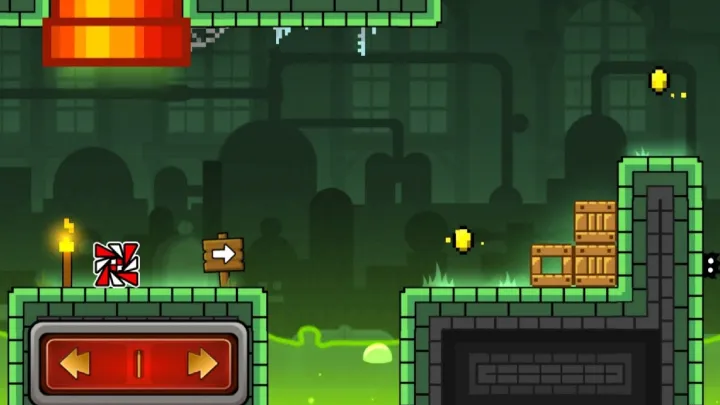
At its heart, Geometry Dash is about timing. Players must jump, fly, and flip gravity in perfect sync with the music. One mistake sends the player back to the beginning.
The instant restart system encourages learning through repetition, which defines the game’s identity.
Main Mechanics
- Jumping and flying
- Gravity switching
- Speed changes
- Obstacles and spikes
Why It’s Addictive
Quick retries reduce frustration and build rhythm memory.
4. Level Design and Progression
Official levels in Geometry Dash are carefully designed to teach mechanics gradually. Each new level introduces new obstacles or speed changes, increasing complexity over time.
This structured progression helps players improve naturally without explicit tutorials.
Difficulty Scaling
Levels grow harder as skills develop.
Learning by Failing
Mistakes are part of mastery.
5. Music and Rhythm: The Heart of Geometry Dash
Music is central to Geometry Dash. Every jump, obstacle, and transition is synced to electronic tracks, creating a strong connection between sound and movement.
This tight synchronization makes success feel satisfying and failure feel fair.
Role of Music
- Guides timing
- Enhances immersion
- Builds emotional tension
Why Sound Matters
Players often memorize music before visuals.
6. Practice Mode and Skill Improvement
Practice Mode allows players to place checkpoints, helping them master difficult sections. This feature transforms frustration into learning.
Improving in Geometry Dash is about patience, pattern recognition, and muscle memory.
Skill Development Tips
- Use practice mode frequently
- Focus on short sections
- Stay calm and consistent
Mental Discipline
Focus matters as much as reflexes.
7. User-Created Levels and the Level Editor
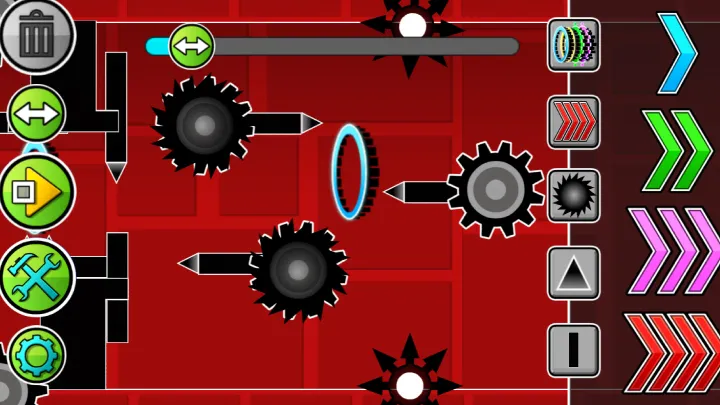
One of the biggest strengths of Geometry Dash is its level editor. Players can design custom levels using triggers, effects, and music.
This creative freedom turned Geometry Dash into a platform rather than just a game.
What the Editor Allows
- Custom obstacles
- Visual effects
- Unique gameplay mechanics
Community Creativity
Some user levels rival official ones.
8. Online Community and Competitive Culture
The Geometry Dash community is highly competitive. Players challenge themselves with “Demon” levels, considered the hardest content in the game.
Leaderboards, streams, and completion videos keep the community active.
Popular Community Activities
- Demon grinding
- Level rating discussions
- Speed completion challenges
Skill Recognition
Beating hard levels earns respect.
9. Updates, Delays, and Long-Term Support
Although updates for Geometry Dash can take years, each major update introduces powerful new tools and mechanics. This long-term support keeps players invested.
Even during long waits, the community continues creating and playing content.
Update Impact
- New triggers
- Improved editor tools
- Expanded possibilities
Patience and Loyalty
Players stay for the creativity.
10. Why Geometry Dash Still Matters Today
More than a decade later, Geometry Dash remains relevant. Its blend of music, challenge, and creativity offers an experience few games can replicate.
The game proves that simple mechanics, when refined, can create lasting impact.
Reasons for Longevity
- Skill-based gameplay
- Strong community
- Endless custom content
A Game of Mastery
Progress feels earned, not given.
Conclusion
Geometry Dash is a unique rhythm platformer that turns simplicity into strength. Through precise timing, creative freedom, and a passionate community, the game has secured its place as a modern classic. Whether playing official levels or creating custom challenges, Geometry Dash continues to test skill, patience, and creativity in a way few games can.