 searchtopgame.com
How to Play RV There Yet? – A Beginner’s Guide to Surviving the Ultimate Road Trip

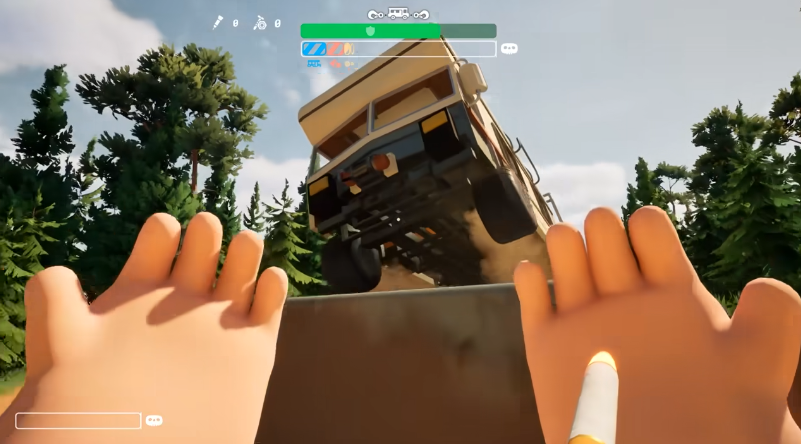
Cooperative physics-based driving and survival games have surged in popularity because they turn simple navigation into hilarious, high-stakes tests of teamwork. RV There Yet? takes this formula to the open road by placing up to four players inside a bulky, temperamental recreational vehicle tasked with crossing treacherous mountain passes, rickety wooden bridges, and unpredictable weather zones after a detour off Route 65. Unlike standard racing simulators where one driver controls everything smoothly, RV There Yet? demands constant coordination between steering, winching, repairing mechanical breakdowns, and managing onboard survival supplies, making every mile a chaotic adventure.
Although the game welcomes newcomers with playful physics and forgiving respawn checkpoints at campsites, many road trip crews quickly hit progression walls because they accelerate blindly into narrow cliffs, run out of fuel mid-climb, or ignore engine overheating. Knowing how to assign crew roles, operate front and rear winches properly, and maintain both vehicle health and passenger stamina can dramatically increase your travel efficiency. This guide explains how to play RV There Yet? step by step, covering everything from your initial campsite departure to conquering the final mountain summit.
Understanding the Core Gameplay Loop
The foundation of RV There Yet? is cooperative vehicle traversal, environmental problem-solving, and resource management. Once your crew climbs aboard the RV and fires up the ignition, your primary objective is navigating through Mabutts Valley toward the highway exit without flipping the rig into a canyon or running out of essential supplies. Along the journey, players must step outside the vehicle to clear fallen logs, scout unstable terrain, attach winch cables to sturdy trees, and scavenge roadside wrecks for spare parts.
Unlike single-player driving games where physics glitches are merely cosmetic, every bump, scrape, and steep incline in RV There Yet? directly impacts your vehicle's structural integrity and fuel consumption. Choosing when to push the throttle, when to anchor the RV with a winch, and when to stop at a roadside camp for repairs determines whether your crew reaches the destination intact.
Core Gameplay Loop
- Inspect your RV systems, fuel reserves, and onboard supplies before leaving each checkpoint.
- Navigate winding dirt trails, mud pits, and narrow ledges while calling out hazards to the driver.
- Use front and rear winches alongside manual obstacle clearing to cross steep or broken terrain.
- Scavenge abandoned campsites and roadside crates for fuel cans, scrap metal, food, and medical kits.
- Repair damaged tires, engines, and axles at safe stops before pushing into tougher biome sectors.
Preparing Your Crew and Assigning Roles
After launching RV There Yet? and gathering your friends in the lobby, your most important step before turning the key is establishing clear crew roles. Because the RV is massive, heavy, and features severe blind spots from the driver's seat, attempting to play without communication almost always leads to wheel drop-offs and rollover disasters. Assigning specific responsibilities ensures that every crew member contributes meaningfully during tense climbs and river crossings.
During your first few minutes at the starting campsite, take time to test proximity voice chat, inspect the interior storage racks, and practice interacting with exterior equipment like the winch hooks and fuel cap. Confirming who handles driving, who acts as the outdoor spotter, and who manages onboard crafting or cooking eliminates panic when the RV begins sliding backward down a muddy hill.
Essential Crew Roles
- The Driver: Controls steering, throttle, braking, gear shifting, and horn signals while listening closely to spotter directions.
- The Spotter: Walks ahead of the RV on narrow cliffs and bridges to guide wheel placement and warn of sudden drop-offs.
- The Winch Operator: Grabs winch cables from the front or rear bumpers, anchors them to solid trees or boulders, and manages cable tension.
- The Mechanic and Quartermaster: Monitors fuel levels, patches engine smoke, replaces blown tires, and cooks food to keep crew stamina high.
Learning the User Interface and Vehicle Controls
The interface in RV There Yet? keeps screen clutter minimal so players stay immersed in both the dashboard gauges and the surrounding wilderness. When seated behind the wheel, your primary telemetry comes directly from the RV dashboard, which displays fuel needles, engine temperature, speed, and warning lights for mechanical failures. Ignoring a rising temperature gauge or blinking oil icon quickly turns a minor climb into a full engine fire.
Outside the driver's seat, each player's personal HUD tracks stamina, hunger, hydration, and health alongside quick-access inventory slots for tools and consumables. Understanding how stamina drains while sprinting uphill or hauling heavy jerrycans helps you pace your movements during emergencies.
Important UI and Dashboard Elements
- Dashboard Fuel Gauge and Reserve Indicator
- Engine Temperature Meter and Warning Lights
- Personal Stamina and Sprint Recovery Bar
- Hunger, Hydration, and Health Icons
- Active Tool and Consumable Hotbar Slots
- Proximity Voice and Compass Direction Markers
Mastering Driving Physics and Terrain Handling
Driving a top-heavy camper across off-road trails requires patience and mechanical sympathy rather than full-throttle speed. Because the RV carries a high center of gravity, taking sharp turns at high speed or driving sideways across steep slopes will quickly tip the vehicle onto its side. Feathering the accelerator and keeping your wheels aligned straight up or down steep grades prevents catastrophic rollovers.
Different ground surfaces dramatically alter traction and momentum. Loose gravel reduces braking efficiency, deep mud bogs down heavy tires unless you maintain steady low-gear momentum, and slick wooden planks demand slow, deliberate alignment. Learning how to use reverse gear smoothly to reset bad angles saves countless minutes of winching.
Surface Driving Guidelines
- Dirt and Gravel Trails: Maintain moderate speeds and brake early before blind corners to avoid sliding toward cliff edges.
- Deep Mud and Riverbeds: Keep steady throttle without spinning tires wildly, and prepare a winch line before entering deep ruts.
- Wooden Bridges and Narrow Ledges: Slow down to a crawl and rely entirely on an outside spotter watching your rear tires.
Operating Front and Rear Winches Effectively
The winch system is your single greatest lifesaver in RV There Yet?, turning impossible vertical climbs and precarious bridge crossings into manageable team maneuvers. Both the front and rear bumpers feature heavy-duty winches that a crew member can grab on foot and attach to nearby trees, rock formations, or sturdy metal anchor points. Once hooked, the driver or winch controller can reel the cable in to pull the RV forward or stabilize its descent.
However, winches obey strict physics limits and can snap or uproot weak anchors if overloaded. Attaching a cable to a thin sapling or pulling at an extreme sideways angle wastes valuable time and can fling the detached hook back toward nearby players. Always test anchor sturdiness visually and coordinate throttle input with winch reeling so the engine assists the cable rather than fighting against it.
Winch Operation Strategy
- Anchor winch lines to thick, mature pine trees or solid rock outcrops rather than small bushes.
- Keep the winch cable aligned as straight as possible with the RV's direction of travel.
- Use the rear winch as a safety tether when descending steep, slippery slopes to prevent runaway slides.
- Unhook and reel in cables completely before driving off so you do not snag obstacles behind you.
Managing Fuel, Repairs, and Mechanical Breakdowns
Every mile through Mabutts Valley puts heavy strain on your RV's aging mechanical systems. Fuel drains faster when climbing steep hills, hauling heavy cargo, or spinning wheels in mud, making regular scavenging essential. Whenever you pass abandoned gas stations, wrecked campers, or roadside sheds, send crew members to siphon fuel or haul full red jerrycans back to your storage rack.
Mechanical damage occurs whenever you scrape rocks, bottom out over boulders, or overheat the engine on long ascents. A smoking hood indicates engine damage that reduces horsepower, while flat tires pull steering sharply to one side. Keeping scrap metal, repair wrenches, spare tires, and engine coolant stocked inside the RV cabin ensures you can perform roadside fixes before minor wear escalates into a total breakdown.
Maintenance Priority
- Engine Cooling and Repair: Fix smoking engines immediately with wrenches and scrap metal to prevent stall-outs on hills.
- Tire Integrity: Replace punctured or blown tires right away so the RV tracks straight across narrow ledges.
- Fuel Reserves: Top off the main tank whenever below half capacity and keep at least two full spare cans strapped down.
- Suspension and Chassis: Avoid hard drops off ledges that bend axles and ruin steering responsiveness.
Scavenging Supplies and Managing Crew Survival
Surviving the road trip in RV There Yet? requires taking care of the crew just as diligently as maintaining the vehicle. Players gradually lose stamina and health from cold weather, hazardous wildlife encounters, falls, and starvation. Using the RV's interior kitchenette to grill scavenged meats, brew hot coffee, and store clean water restores maximum stamina capacity and provides temporary cold resistance.
Exploration off the main trail frequently rewards bold scavengers with high-tier gear, rare mechanical parts, and funny cosmetic hats. However, wandering too far into dense fog or dark woods alone risks getting lost or ambushed by aggressive bears and wolves. Always travel in pairs when looting distant cabins, and use the RV horn to guide scattered teammates back to the road.
Survival and Scavenging Tips
- Cook raw food on the RV stove before eating to maximize health and stamina restoration.
- Keep coffee and energy drinks handy for crew members performing heavy winching and scouting duties.
- Store loose loot inside cabinets or cargo nets so sharp turns do not send supplies flying out open doors.
- Carry bandages and first-aid kits in quick slots when exploring dark ruins or cliffs.
Navigating Hazardous Biomes and Weather Events
As your crew progresses deeper into the valley, the environment shifts from sunny forest trails to treacherous alpine ridges, collapsed highway overpasses, and torrential rainstorms. Sudden downpours turn firm dirt roads into slick mudslides, while dense mountain fog reduces visibility to just a few feet ahead of the windshield.
Adapting your travel pace to weather conditions prevents sudden disasters. During heavy rain or snowstorms, turn on roof floodlights, reduce cruising speed, and deploy spotters with flashlights ahead of the bumper. If visibility drops completely near sheer cliff edges, pulling over until the squall passes is often faster than recovering a flipped RV from a ravine.
Weather Adaptation Checklist
- Activate high beams and roof spotlights immediately when fog or nightfall sets in.
- Slow down significantly during rainstorms to account for extended braking distances on wet mud.
- Equip warm jackets and consume hot beverages when ascending into freezing alpine zones.
- Keep the RV doors closed during storms to preserve interior warmth for resting teammates.
Common Beginner Mistakes to Avoid
One of the biggest mistakes new crews make in RV There Yet? is treating the RV like an indestructible off-road rally truck. Slamming the accelerator over bumpy terrain shakes loose unsecured cargo, damages suspension components, and frequently launches the front wheels off narrow canyon ledges before the driver can react.
Another frequent error involves crowding inside the cabin while the driver struggles blindly through tight obstacles. When three passengers sit inside chatting instead of stepping out to spot wheels and clear branches, simple turns quickly result in wedged bumpers or flipped axles.
Mistakes to Avoid
- Driving fast over blind hills, sharp turns, or narrow wooden bridges without a spotter.
- Leaving the RV doors open while moving, causing valuable fuel cans and tools to fall out.
- Attaching winches to weak trees or pulling sideways at sharp angles that tip the vehicle.
- Ignoring rising engine temperature gauges until the radiator bursts mid-climb.
- Sprinting everywhere on foot and draining stamina right before needing to dodge falling rocks.
Advanced Teamwork and Summit Completion Strategies
Once your crew masters basic driving, winching, and roadside repairs, you can tackle the steepest mountain switchbacks and broken viaducts with smooth, practiced efficiency. Advanced teams develop shorthand callouts for wheel angles, pre-stage winch lines before entering dangerous mud pits, and rotate driving shifts so nobody fatigues during long climbs.
Experienced road trippers also optimize weight distribution inside the RV. Keeping heavy spare tires, fuel cans, and scrap crates balanced evenly across floor storage prevents the vehicle from leaning excessively to one side on angled cliffs. By combining calm communication, proactive maintenance, and smart winch physics, your crew can conquer every hazard Mabutts Valley throws at you and reach the highway exit together.
Conclusion
RV There Yet? transforms a chaotic mountain detour into an unforgettable cooperative survival adventure where teamwork matters far more than individual driving skill. While top-heavy physics, narrow cliffside trails, and sudden mechanical breakdowns feel overwhelming during your first few miles, mastering clear crew roles, proper winch anchoring, proactive repairs, and steady throttle control provides everything you need for a successful journey.
Whether you are just firing up the engine at the starting campsite or winching your battered camper up the final alpine ridge, following the strategies in this guide will help your crew avoid costly rollovers, keep the tank full, and enjoy every hilarious mishap along the road. Keep your spotters alert, secure your cargo, and bring that RV home in one piece.