.webp)







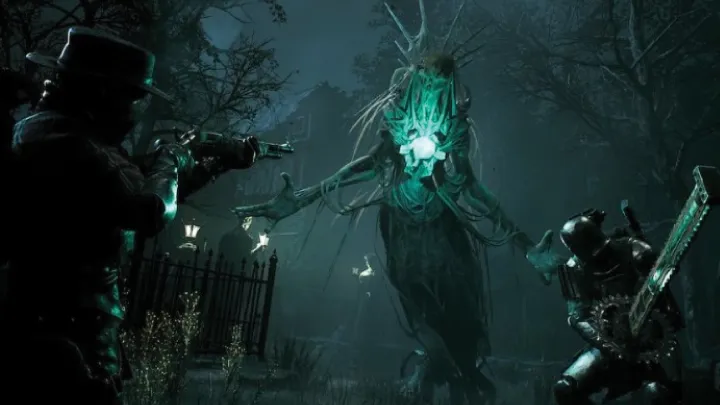
Remnant II is the highly anticipated sequel to the groundbreaking action RPG, Remnant: From the Ashes. Developed by Gunfire Games, this new installment continues to immerse players in a post-apocalyptic world filled with nightmarish creatures, challenging quests, and extensive weapon customization. Maintaining the series’ unique blend of third-person shooting mechanics and RPG elements, Remnant II demands not only shooting skills but strategic thinking as well. This guide provides essential tips and strategies to help players navigate the demanding landscape of Remnant II successfully.
Getting Started with Remnant II
Understanding the Basics
Before plunging into the treacherous world of Remnant II, it is crucial to familiarize yourself with the game’s mechanics and structure. The game is set in various dynamically generated worlds filled with ruthless enemies and vast amounts of loot.
Key Game Elements:
- Dynamic Environments: Each playthrough presents unique maps and enemy placements, meaning no two games are alike.
- Ranged Combat Focus: Unlike many other RPGs, Remnant II places a heavy emphasis on shooting and accuracy, making weapon handling skills vital.
Choosing Your Archetype
Remnant II features a range of archetypes that influence your character’s abilities, weapons, and playstyles. Understanding each archetype will allow you to select one that best suits how you want to play.
Archetype Overview:
- The Handler: Focuses on support and healing abilities, making it ideal for cooperative play.
- The Gunslinger: Emphasizes critical damage and fast reloading, suitable for aggressive players.
- The Summoner: Can summon powerful allies to aid in combat, suitable for those who prefer a tactical playstyle.
Combat Basics and Techniques
Mastering Shooting Mechanics
Combat in Remnant II revolves around shooting mechanics that require precision, timing, and smart resource management. Understanding how to effectively handle your weapons is essential for survival.
Fundamental Shooting Tips:
- Aim for Weak Spots: Many enemies have weak points that can be targeted for extra damage.
- Utilize Cover: Always be aware of your surroundings and use cover effectively to avoid enemy fire.
Weapon Types and Mods
Weapons in Remnant II come in various forms, each with unique characteristics and mods. Knowing how to use and modify your weapons makes a significant difference in combat effectiveness.
Weapon Categories:
- Handguns: Great for precision damage with low recoil.
- Rifles: Ideal for medium to long-range combat, providing a balance of power and accuracy.
- Shotguns: Excellent for close-quarters combat, dealing devastating damage at short ranges.
Understanding Modifications
Weapon mods can enhance your performance in battle, adding secondary effects that can be crucial in tough encounters. Understanding these modifications will amplify your combat capabilities.
Useful Mods:
- Elemental Effects: Create status effects like poison or fire, adding versatility to combat.
- Healing Mods: Provide boosts in health and revive fallen teammates, making them invaluable in co-op play.
Exploring the Worlds of Remnant II
Map Navigation
Remnant II’s dynamically generated maps are filled with treasures, secrets, and dangers. Knowing how to navigate these environments is crucial for survival.
Navigation Tips:
- Use Waypoints: Mark your path to keep track of where you've been and where you need to go.
- Listen for Audio Cues: Sounds can indicate nearby secrets or potential threats, helping you locate hidden areas.
Environmental Interaction
Many levels in Remnant II contain interactive environments that allow players to leverage their surroundings in combat situations.
Interactions to Look For:
- Destructible Objects: Use environmental destructibles to your advantage, whether for cover or to surprise enemies.
- Climbing Areas: Some sections allow you to access elevated positions for sniping or evading enemies.
Exploring for Loot
Loot is crucial in Remnant II, providing you with weapons, armor, and crafting materials. Exploring thoroughly can yield significant rewards.
Loot Gathering Tips:
- Check Every Corner: Hidden chests and collectibles are scattered throughout levels, often requiring off-the-beaten-path exploration.
- Defeat Mini-Bosses: Many mini-bosses drop unique loot that can significantly strengthen your character.
Character Progression and Skills
Leveling Up Your Character
As you progress, your character will gain experience and level up, unlocking new abilities and improving your overall combat effectiveness. Understanding how this works can enhance your gameplay significantly.
Experience Points:
- Earning XP: Gain experience points from combat, completing quests, and finding collectibles.
- Skill Unlocks: Every level allows for skill point allocation, so plan your skill tree according to your playstyle.
Skill Trees and Specialization
Remnant II allows players to invest skill points into their archetype-specific trees. Each archetype has unique paths that offer distinct abilities.
Skill Tree Options:
- Offensive Skills: Unlock powerful attacks and damage modifiers to heighten your combat prowess.
- Defensive Skills: Invest in abilities that increase survivability and provide utility in fights.
Engaging with NPCs and Quests
Interacting with NPCs
Throughout your journey, you will meet various NPCs who offer quests, lore, and crafting opportunities. Engaging with them is vital for gaining insights and rewards.
Notable NPCs:
- Craftsman: Offers weapon modifications and crafting materials.
- Quest Givers: Provide crucial quests that can lead to valuable resources and insights.
Completing Quests
Quests are essential for character progression and unlocking new areas. Engaging in these missions often provides not only rewards but also deeper narrative experiences.
Quest Types:
- Main Quests: Drive the primary narrative and lead players into new realms.
- Side Quests: Offer additional stories and rewards, enhancing the overall gaming experience.
Boss Encounters and Challenges
Preparing for Boss Fights
Boss encounters in Remnant II are intense and require careful strategy and preparation. Knowing how to face these formidable foes will be critical to your success.
Pre-Boss Tips:
- Check Your Gear: Ensure your weapons and armor are upgraded and suited for the encounter.
- Know the Bosses: Familiarize yourself with possible attack patterns and mechanics for better evasion and counterattacks.
Boss Fight Strategies
Each boss requires a unique approach, and understanding their weaknesses can provide a significant advantage.
Effective Strategies:
- Cooperative Play: Utilize teamwork to overcome boss mechanics and share damage.
- Environment Usage: Use the environment to your advantage, whether for cover or as a strategic advantage in mobility.
Crafting and Upgrading Gear
Understanding the Crafting System
Crafting in Remnant II plays a vital role in enhancing your weapons, armor, and items. Understanding the crafting mechanics will provide you with substantial benefits.
Crafting Essentials:
- Gathering Materials: Collect resources from defeated enemies and environmental exploration.
- Creating Mods: Use crafting to create essential weapon mods that enhance combat performance.
Upgrading Gear Effectively
As you progress, upgrading your gear becomes essential to handle tougher challenges. Prioritize upgrades that align with your playstyle.
Upgrade Focus Areas:
- Weapon Strength: Increase damage output for your preferred weapons.
- Armor Enhancements: Improve defenses and resistance against specific enemy types.
Teamwork and Multiplayer Strategies
Co-op Play and Team Composition
Remnant II features a cooperative multiplayer mode, allowing for up to three players to team up and tackle challenges together. Understanding how to work with your team can enhance gameplay significantly.
Tips for Team Composition:
- Balanced Classes: Ensure you have a mix of offensive and support archetypes for a well-rounded team.
- Coordinate Roles: Discuss each member's strengths to determine the most effective combat strategies.
Communication and Coordination
Effective communication is vital when playing in a group. Keeping in sync with your teammates can turn the tide of tough encounters.
Best Practices:
- Call Out Enemy Positions: Alert your team to potential threats or advantageous positions.
- Strategize Before Starting: Discuss tactics for upcoming fights to avoid confusion during combat.
Community Engagement and Resources
Joining Online Communities
Engaging with the Remnant II community can provide valuable insights, tips, and strategies from fellow players. Participating in discussions can enhance your overall experience.
Community Resources:
- Forums: Join discussions, share experiences, and ask for advice on various game aspects.
- Discord Servers: Connect with other players for real-time strategy discussions and group play.
Watching Content Creators
YouTube and Twitch are rich resources for gameplay tips, tutorials, and entertainment related to Remnant II. Watching experienced players can help you refine your strategies and skills.
Benefits of Watching:
- Learn Advanced Techniques: Discover gameplay strategies that might not be immediately evident.
- Understand Lore: Gain deeper lore insights from content creators specializing in storytelling.
Conclusion
Remnant II is an engaging action RPG that combines thrilling combat with rich exploration and deep character customization. By utilizing the tips and strategies outlined in this guide, players can enhance their gameplay experience, tackle formidable challenges, and uncover the secrets of the game’s expansive world. Whether you're navigating through treacherous environments or facing off against powerful bosses, a solid understanding of the mechanics and engaging with the community will make your journey through Remnant II unforgettable.