.webp)





Introduction
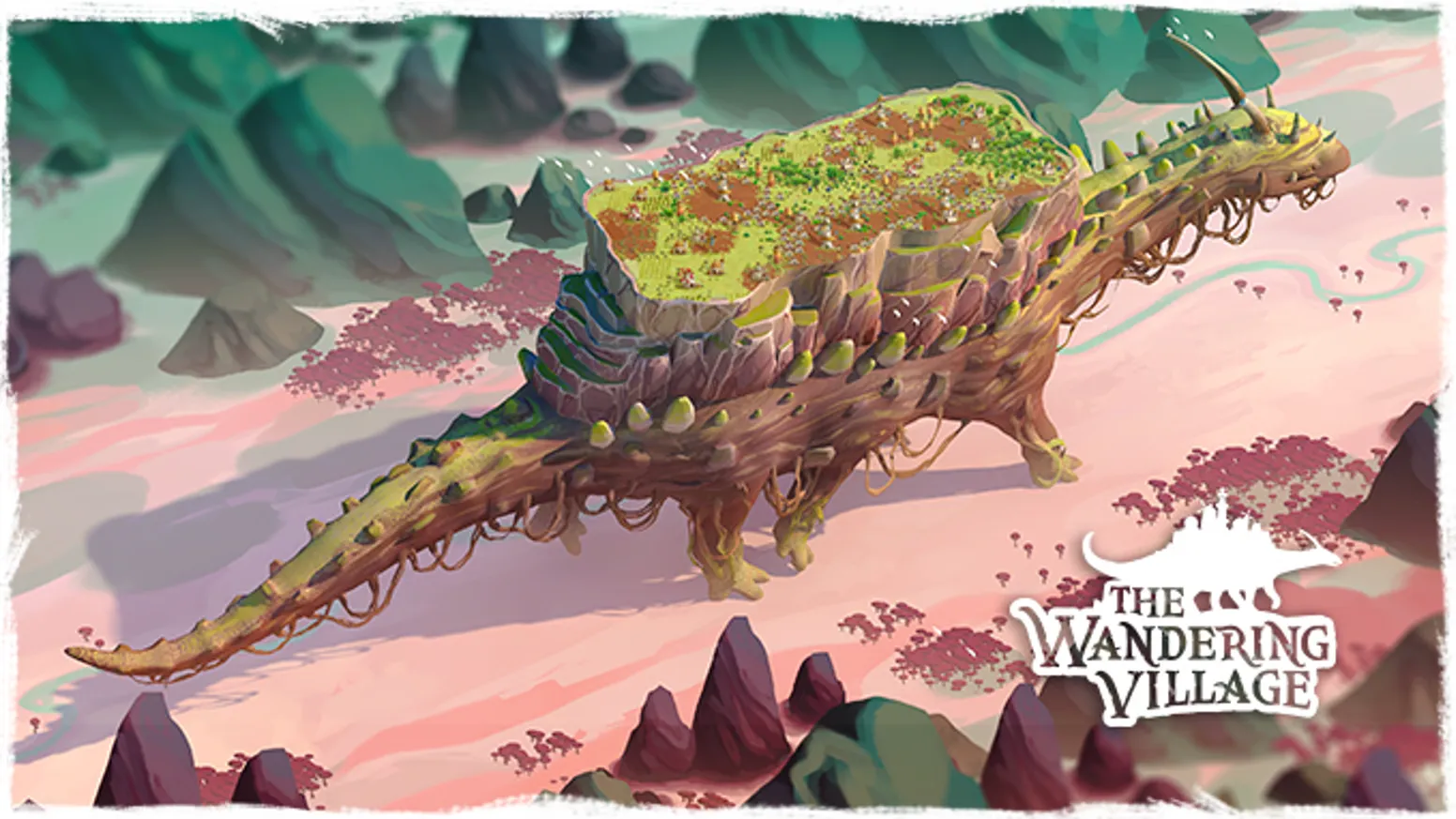
At first glance, The Wandering Village appears to be a peaceful city-building survival game with a unique hook: your village lives on the back of a colossal wandering creature named Onbu. Developed by Stray Fawn Studio, the game quickly gained attention for its soothing art style, ecological themes, and slow-paced strategic gameplay. Yet beneath its calm exterior lies a growing discussion within the player community about one core issue that defines the entire experience: the moral and mechanical tension between cooperation and exploitation of Onbu.
As updates and patches have refined the game over time, this issue has become increasingly central. Players are no longer just managing resources—they are making ethical decisions that directly affect another living being. This article explores how The Wandering Village transforms city-building into a moral experiment, why the Onbu dependency system has divided players, and how this design choice is shaping the game’s long-term identity.
1. The Original Vision: Symbiosis, Not Control
When The Wandering Village was first revealed, the developers emphasized the idea of symbiosis.
The village was meant to coexist with Onbu, relying on mutual trust rather than domination. Early marketing framed Onbu not as a tool, but as a living companion whose needs mattered just as much as the villagers’.
Early Gameplay Philosophy
Players were encouraged to:
- Observe Onbu’s behavior
- Respond to environmental threats together
- Accept limited control over movement
This philosophy set the game apart from traditional city builders, where the environment is something to conquer.
2. The Introduction of Direct Control Mechanics
As development progressed, new mechanics allowed players to exert more influence over Onbu.
Control towers, commands, and rewards systems were introduced to give players more agency. While these systems improved gameplay clarity, they also shifted the balance of power.
From Cooperation to Command
Many players noticed that:
- Obedience became more efficient than trust
- Punishment mechanics offered short-term gains
- Ignoring Onbu’s needs rarely had immediate consequences
This shift subtly encouraged exploitation over empathy.

3. Efficiency vs Ethics: The Core Player Dilemma
The central issue emerged clearly: ethical play is often less efficient than exploitative play.
Villages that prioritize Onbu’s comfort tend to progress slower. In contrast, players who push Onbu aggressively through toxic biomes or force movement gain faster access to rare resources.
The Optimization Trap
For strategy-focused players, the game quietly rewards:
- Faster biome traversal
- Risk-heavy decisions
- Short-term survival over long-term balance
This creates a disconnect between the game’s message and its mechanics.
4. Community Reaction: A Divided Player Base
As players spent more time with the game, discussions intensified.
Some players praised the emotional weight of caring for Onbu. Others criticized the system for being manipulative or shallow.
Two Dominant Player Perspectives
One group believes:
- Emotional design enhances immersion
- Moral consequences should be harsher
The other argues:
- The system is cosmetic
- True survival requires pragmatic decisions
This divide has fueled long-running debates across forums and reviews.
5. Onbu as a Game Mechanic, Not a Character?
Another criticism revolves around Onbu’s perceived lack of agency.
Despite being a living creature, Onbu often reacts predictably and mechanically. Over time, players learn how to “manage” it rather than relate to it.
Emotional Fatigue Sets In
When consequences become predictable:
- Empathy turns into optimization
- Emotional decisions become strategic calculations
- Onbu feels less alive
This undermines the emotional core the game aims to deliver.
6. Environmental Messaging and Its Limits
The Wandering Village clearly aims to communicate environmental themes.
Pollution, scarcity, and sustainability are woven into every system. Onbu represents nature itself—powerful, vulnerable, and often exploited.
Where the Message Weakens
When exploitation becomes the optimal path, the game risks sending a contradictory message:
- Sustainability is slower
- Exploitation is rewarded
- Consequences are delayed or avoidable
This tension weakens the environmental allegory.
7. Updates, Balancing, and Player Expectations
Stray Fawn Studio has actively updated the game, tweaking systems and adding content.
However, changes to the Onbu relationship have been cautious, perhaps too cautious for some players.
What Players Are Asking For
Common requests include:
- Stronger long-term consequences
- Deeper emotional feedback from Onbu
- Diverging endings based on treatment
Players want their moral choices to matter more visibly.
8. The Risk of Ludonarrative Dissonance
The Wandering Village faces a classic design problem: ludonarrative dissonance.
The story suggests cooperation and care, while the mechanics often reward domination.
Why This Matters
When gameplay contradicts narrative:
- Immersion suffers
- Themes feel performative
- Players disengage emotionally
For a game built on atmosphere, this risk is significant.
9. Potential Solutions Without Breaking the Game
Fixing the Onbu dependency issue does not require removing control systems.
Instead, balance adjustments could realign mechanics with message.
Possible Design Improvements
- Permanent debuffs from long-term exploitation
- Onbu behavior changes based on trust history
- Exclusive content unlocked only through ethical play
Such changes would preserve player agency while reinforcing the game’s core themes.
10. The Wandering Village’s Identity Crisis
Ultimately, The Wandering Village stands at a crossroads.
It can remain a gentle city builder with light moral flavor, or it can fully commit to being an ethical survival simulation where choices shape outcomes meaningfully.
Why This Decision Matters
As the player base grows, expectations rise. The Onbu system is no longer just a mechanic—it defines the game’s identity.
Conclusion
The Wandering Village succeeds in offering a fresh take on the city-building genre, but its greatest strength is also its greatest challenge. By tying survival to a living creature, the game invites players to reflect on exploitation, dependency, and coexistence. Yet when mechanics reward control over care, that reflection becomes blurred.
The ongoing debate around Onbu is not a flaw—it is evidence that the game’s ideas resonate. Whether Stray Fawn Studio leans deeper into ethical consequences or maintains player-first optimization will determine how The Wandering Village is remembered: as a thoughtful ecological parable, or as a missed opportunity hiding behind beautiful art.
160-Character Summary
The Wandering Village sparks debate as players are rewarded for exploiting Onbu, exposing tension between ethical storytelling and survival-focused gameplay.