.webp)



 Hinterland Studio’s The Long Dark stands as a stark monument in the survival game genre, completely stripping away the conventional tropes of zombies, monsters, or supernatural threats. Instead, it pits the player against the quiet, indifferent cruelty of a Canadian sub-zero winter following a mysterious geomagnetic disaster. The game transforms nature itself into an active antagonist, where every snowflake is a mathematical calculation and every gust of wind is a direct assault on your mortality.
The core mechanical issue that defines the experiential depth of The Long Dark is the Visceral Bureaucracy of Thermal and Caloric Attrition. In this frozen wasteland, survival is not merely about staying fed; it is a rigid, unforgiving optimization puzzle where your body heat, caloric pool, weight capacity, and environmental exposure exist in a state of permanent structural friction. The true horror of Great Bear Island is not a sudden wolf attack, but the slow, calculated realization that simply standing still costs more energy than your remaining supplies can afford to replace, turning the simple act of existing into an existential balance sheet.
The Genesis of Exposure: The Vulnerability of Day One
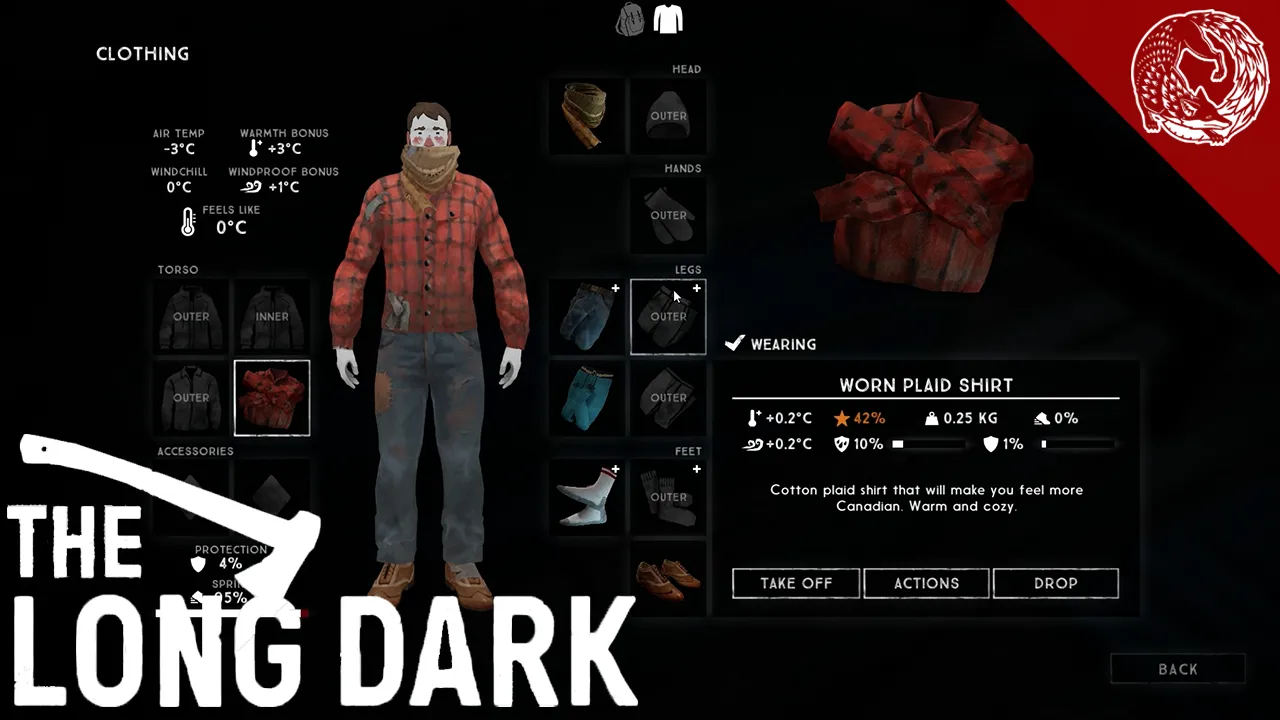
When a survivor spawns into a fresh sandbox run on Great Bear Island, they are immediately confronted with the absolute poverty of their material reality. Your initial clothing is damp, torn, and chemically inefficient at trapping ambient body heat. The game immediately initiates the Ambient Temperature Delta calculation: the difference between the environment's current temperature (multiplied by the windchill factor) and the positive warmth bonus provided by your clothing layers.
During these opening hours, the specific conflict centers around the structural paralysis of fear. A new player is tempted to hunker down in the first fishing hut or broken cabin they encounter. However, the game’s resource logic forces immediate, reckless mobility. Your body burns a baseline level of calories even while resting, and without high-tier insulation, the cold will penetrate your shelter during the freezing dark of the first night. This early stage is a brutal lesson in triage—you must destroy your immediate safety to find the matchsticks and sewing kits required to secure long-term thermal stability.
The Anatomy of the Thermal Inventory
- Inner Layer: Fabric items like cotton t-shirts or thermal underwear that provide low wind resistance but baseline insulation.
- Outer Layer: Heavy protective gear like mackinaw jackets or ski pants that absorb physical damage and deflect freezing winds.
- Wetness Modifier: Exposure to falling snow or thin ice increases the moisture percentage of clothing, systematically reducing its warmth value to zero.
The Caloric Ledger: The Starvation Meta and Its Consequences
As the initial panic subsides, the player must master the economy of metabolism. The Long Dark calculates caloric expenditure based entirely on exertion levels: walking, sprinting, climbing ropes, and breaking down furniture for firewood expend calories at drastically different rates. This introduces a deep mathematical dilemma that has sparked intense debate within the community—the emergence of the "Starvation Strategy."
Because the game only inflicts a modest 1% condition penalty per hour when your caloric meter is completely empty, players can intentionally starve themselves during the daylight hours while performing heavy physical labor. They then consume a tiny portion of calories right before sleeping, allowing the body’s natural rest cycle to heal the condition damage incurred during the day. This clinical, mechanical exploitation of human biology highlights the specific issue of systemic abstraction: turning a visceral human agony into a cold, transactional accounting loop to stretch limited food supplies across months of survival.
The Geometry of Frostbite: Permanent Spatial Penalties
If a player mismanages their thermal ledger, the game transitions from a temporary status penalty to permanent physical mutilation via the Frostbite Mechanic. Unlike standard hypothermia, which can be fully cured by sitting near a roaring fire for a few hours, frostbite represents a structural failure of the survivor's flesh.
When a specific body part (such as the hands, feet, or head) remains uncovered or soaked in freezing water for too long, a "Frostbite Risk" meter begins to tick upward. If this meter reaches 100%, the risk solidifies into a permanent affliction. The player’s maximum condition pool is instantly truncated by a fixed percentage per frostbite scar. This mechanical punishment directly alters the spatial reality of the UI; your health bar is permanently grayed out, representing dead tissue that can never be recovered.
Frostbite Vulnerability Zones
- The Head: Frequently neglected if the player prioritizes carrying capacity over heavy hats, or if a wolf ruins a fleece wrap.
- The Hands: High risk during manual labor; harvesting a frozen carcass without gloves accelerates exposure exponentially.
- The Feet: Vulnerable during thin-ice breakthroughs, rendering boots completely waterlogged and icy.
The Invisible Catalyst: Windchill and the Fireplace Dilemma
The fireplace is the ultimate sanctuary in The Long Dark, yet its interaction with the environment is governed by a punishing, dynamic AI system. Wood is heavy, and carrying enough coal and cedar logs to survive a blizzard compromises your mobility, draining your caloric reservoir faster. When you finally strike a match, the game forces an immediate calculation of Wind Directionality.
A fire built behind a rock face may provide a safe haven of +30°C, but if the wind dynamically shifts during a midnight storm, the protective barrier is neutralized. The wind can instantly blow out the fire, plunging a sleeping player into immediate, freezing darkness. This mechanical instability turns the act of sleeping beside an outdoor fire into a terrifying gamble, forcing veterans to constantly monitor the ambient audio cues of the wind to anticipate environmental shifts.
The Weight of Insular Choice: Natural vs. Industrial Clothing
As you push past the first month of survival, the industrial clothing harvested from abandoned towns begins to permanently decay. Synthetic fabrics cannot be repaired without cloth, which is a finite resource derived from shredding curtains and towels. This forces a transition to the Native Crafting Economy, where the player must hunt apex predators to fashion clothing out of raw hides.
The Cost of the Wild
Crafting a bear-skin coat or wolf-skin jacket requires dozens of hours of manual curing and sewing, consuming immense caloric reserves. Furthermore, these natural garments are astronomically heavy, severely reducing your available inventory space for food and tools. The choice becomes highly strategic: do you wear lightweight, fragile civilian clothing that leaves you vulnerable to a sudden cold snap, or do you encase yourself in heavy, water-resistant animal pelts that turn you into a slow, lumbering tank with high caloric maintenance?
The Hypothermic Twilight: The Cognitive Collapse of Freezing
When your core body temperature hits absolute zero, the game enters its final stage of sensory punishment: Hypothermia. This condition does not simply tick your health down; it actively attacks the player’s ability to interact with the game world. The screen blurs, the camera sways erratically to simulate shivering fitfully, and the audio design becomes muffled, drowned out by the thumping heartbeat of a dying avatar.
The mechanical issue here is the feedback loop of failure. When hypothermia sets in, your carrying capacity drops significantly because your muscles are seizing up. If you were already walking at your weight limit, you are suddenly encumbered, slowed to a glacial crawl while trying to reach a warm interior. This creates a terrifying downward spiral: the colder you get, the slower you walk, and the slower you walk, the faster the remaining heat drains from your body, transforming the final walk toward a cabin into a desperate, agonizing slog.
The Parasitic Cabin Fever: The Spatial Trap of Safety
To prevent players from simply bypassing the thermal systems by sleeping inside a safe cabin indefinitely, Hinterland Studio implemented the controversial Cabin Fever Mechanic. Spending too many consecutive hours indoors causes a psychological affliction to manifest, reflecting the crushing claustrophobia of isolation.
The Mechanics of Cabin Fever
- Symptom Gating: Once active, the player is mechanically forbidden from using a bed or sleeping on the floor inside any indoor location.
- Outdoor Mandate: You are forced to spend the night outside in a snow shelter, a cave, or a car, directly exposing your thermal ledger to the volatile outdoor weather.
This mechanic forces a violent disruption of safety loops. It transforms your heavily supplied base into a hostile zone, driving you back into the freezing wilderness to manage your psychological health at the direct expense of your physical warmth and caloric reserves.
The Heavy Metal Tax: Tools and the Caloric Sunk-Cost
Every tool in The Long Dark—the heavy hammer, the hacksaw, the hunting rifle—carries a heavy material cost in kilograms. Carrying these items increases your physical fatigue rate, which in turn accelerates your caloric expenditure. This creates the Tool Sunk-Cost Dilemma during long-distance expeditions across regions like Pleasant Valley or Forlorn Muskeg.
- The Expedition Prep: You pack a hatchet for wood, a knife for defense, and a rifle for food, bringing your base weight to 28kg out of a 30kg maximum limit.
- The Attrition Voyage: Because you are heavy, climbing a steep hill drains your fatigue meter in minutes, triggering an accelerated calorie burn.
- The Triage Choice: When a blizzard strikes, you must choose between dropping your priceless rifle to sprint to safety, or keeping it and risking death by freezing because your movement speed is heavily compromised.
The Intestinal Gamble: Parasites and Raw Caloric Sources
In late-game difficulties like Interloper, traditional canned food completely disappears from the world, leaving the player entirely dependent on hunting wolves and bears. However, these carnivores carry Intestinal Parasites. Eating their meat raw or undercooked introduces a percentage-based infection risk that escalates with every subsequent portion consumed.
If the infection triggers, the player is hit with a debilitating, multi-week affliction that slashes their physical condition and demands daily doses of rare antibiotics or reishi mushroom tea. This turns the act of eating into a tense psychological gamble. You look at a piece of cooked bear meat that could save you from immediate starvation, but eating it might saddle you with a twenty-day medical debt that drains your energy and locks you indoors, demonstrating how the search for calories can fundamentally poison your thermal survival loop.
The Aurora Paradox: Electrical Warmth and Environmental Hazard
The rare appearance of the Aurora Borealis completely transforms the nighttime landscape of Great Bear Island. It animates dead electronics, lighting up old computers and turning on wires. For a brief moment, it offers the illusion of technological salvation—the ability to use elevators or bright, interior lights.
However, the aurora is a deeply predatory mechanic. The surge of geomagnetic energy turns loose wires on the floors of industrial buildings into instant-death electrical traps. Furthermore, wildlife exposed to the green glow becomes hyper-aggressive, ignoring standard deterrence like torches or flares. The player is caught in a dangerous paradox: the very phenomenon that provides visual clarity and unlocks new regions also supercharges the lethality of the environment, forcing you to navigate tight, electrified interiors while your body heat steadily drops in the unheated, ruined structures.
Conclusion: The Quiet Majesty of the Unforgiving Ice
The Long Dark achieves its status as a masterpiece of design by ensuring that every system is tethered to the physical reality of the human body under extreme stress. The central issue—the elegant, agonizing bureaucracy of thermal decay and caloric accounting—ensures that the player is never truly safe. There are no temporary victories; there is only a continuous, calculated negotiation with an environment that wants nothing more than to freeze you solid.
By turning the basic requirements of life into a complex logistical web, Hinterland Studio has created a survival experience that feels deeply profound. Every match struck, every deer carcass harvested, and every patch sewn onto a torn coat is an act of defiance against an inevitable end. It is a game that proves that the ultimate horror is not a monster jumping from the shadows, but the cold, quiet ticking of a thermal meter dropping to zero in the heart of an endless winter night.