The Challenges of Realism in Kingdom Come: Deliverance II
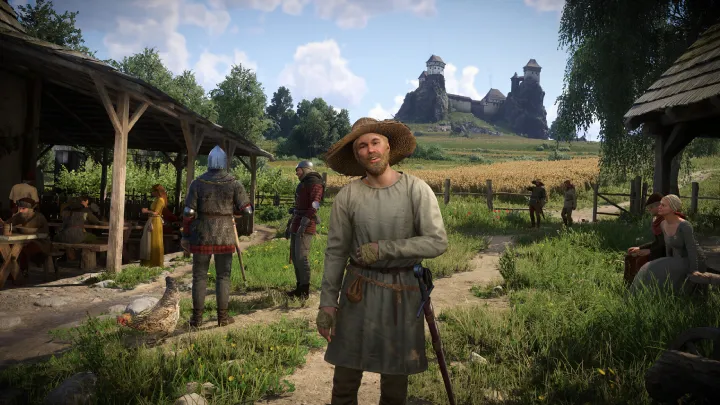

Kingdom Come: Deliverance II is set to be a significant continuation of Warhorse Studios' groundbreaking RPG, known for its immersive world and attention to historical detail. However, the game faces a central challenge: balancing realism and gameplay mechanics. While realism enhances immersion, it can alienate players who seek engaging gameplay experiences. This article delves deep into the issues surrounding realism in Kingdom Come: Deliverance II, examining how the developers can achieve a balance that maintains player engagement while remaining true to the historical context.
The Legacy of Kingdom Come: Deliverance
Setting the Stage for a Historical RPG
Released in 2018, Kingdom Come: Deliverance was a revolutionary foray into the RPG genre. Set in the early 15th century in the Kingdom of Bohemia, the game aimed to provide an authentic experience by avoiding fantasy elements common in most RPGs. However, this dedication to historical accuracy also presented challenges, such as a steep learning curve and gameplay mechanics that sometimes frustrated players.
Community Reception and Critique
Upon its release, the game received mixed reviews. While praised for its extraordinary graphics and commitment to realism, players also criticized aspects such as an overwhelming inventory system and lengthy quests that felt obtuse. The duality between realism and enjoyment became a focal point for community discussions, leading to debates on the viability of such an approach in future titles, including the anticipated sequel.
The Realism Dilemma
Defining Realism in Gaming
Realism in gaming refers to the adherence to authentic characteristics—be it historical accuracy, physics, or social dynamics. In RPGs, realism can enhance immersion but can also introduce challenges that impact player enjoyment. For Kingdom Come: Deliverance II, developers must carefully consider what elements of realism are integral to gameplay without alienating new or casual players.
Historical Authenticity vs. Gameplay Enjoyment
The challenge lies in striking a balance between historical authenticity and gameplay enjoyment. For example, if the game includes realistic combat mechanics, such as fatigue and injury, it can add depth but may frustrate players seeking a more straightforward experience. Players want to feel connected to the game's narrative and environment without encountering excessive challenges that hinder their progress.
Historical Context and Player Engagement
Importance of Contextual Education
Part of the realism hinges on educating players about the historical context. Kingdom Come has unique aspects of medieval life, combat, and social structure to explore, which can enrich the player's experience. However, if players feel overwhelmed by the historical details, they risk disengaging from the storyline altogether.
Crafting Engaging Narratives
The game’s narrative must weave historical context seamlessly into the gameplay. If historical accuracy overshadows narrative engagement, players may find it challenging to immerse themselves in the story. Kingdom Come: Deliverance II should ensure the plot is both accessible and informative, allowing players to learn about the era without getting bogged down in tedious exposition.
The Mechanics of Realism
Realistic Combat Systems
In Kingdom Come: Deliverance, the combat system stands out for its complexity, emphasizing physics and skill. However, this approach can be daunting for newcomers. Kingdom Come: Deliverance II must refine these mechanics to ensure they are both realistic and intuitive.
Introducing Accessibility Features
To cater to a broader audience, developers might consider introducing accessibility features that improve the user experience while retaining realism. For example, adjustable difficulty settings could allow players to choose their level of engagement in combat mechanics, providing options for casual players while still appealing to hardcore fans.
Player Progression and Skill Development
Balancing Realism in Character Growth
Character development should mirror a player’s investment in the game while still retaining a sense of realism. In Kingdom Come: Deliverance, progress often felt slow, leading to frustrations for players seeking immediate gratification. For the sequel, balancing realistic progression with satisfying gameplay is key.
Skill Trees and Real-World Training
Kingdom Come: Deliverance II can leverage skill trees that reflect authentic training methods of the time. For instance, players could train their characters through various methods, such as practicing in a training yard or learning from mentors, allowing for more organic skill development while retaining realism.
Social Dynamics and Interactions
Realistic NPC Behavior
NPC interactions are crucial for an immersive experience. However, if NPCs behave too realistically and do not offer engaging interactions, players may find the experience stale. Developers should prioritize creating dynamic NPCs that respond to player actions while maintaining realistic characteristics.
Fostering Meaningful Relationships
Interpersonal relationships should feel organic, allowing players to navigate friendships, rivalries, and societal status. A more nuanced approach to character interaction can heighten player engagement, making the world feel lived-in and reflective of historical norms.
Exploring the Deadly Reset Mechanic
The Risks of Permadeath and Character Loss
One of the more controversial aspects of realism in gaming is the concept of permadeath or character loss. While this can create tension and seriousness in gameplay, it also risks deterring players who fear losing progress. Offering a middle ground, such as a "reset point" that allows character respawns with some consequences, can maintain the realism of danger without frustrating players.
Balancing Realism with Retention Strategies
To mitigate the impact of permadeath, developers might incorporate mechanics that facilitate player retention, such as allowing players to retain certain learned skills even after death. By doing so, players could still feel a sense of progression in character development without excessive punishment for failure.
Community Feedback and Iterative Development
Engaging the Player Base
As the sequel approaches, community feedback will play a crucial role in shaping gameplay mechanics. Developers should actively engage with players through forums and polls to understand their desires and frustrations. Failing to listen to community feedback can exacerbate the divide between realism and enjoyment.
Iterative Development Processes
Adopting an iterative development process allows for flexibility and adaptation based on player input. By testing mechanics in beta versions and incorporating feedback, Warhorse Studios can make informed adjustments that enhance gaming experiences while preserving the core principles of realism.
The Future of Kingdom Come: Deliverance II
Innovations in Gameplay
As the sequel progresses, it will be crucial for Warhorse Studios to innovate while maintaining the essence of what made the original captivating. The incorporation of multiplayer elements, larger environments, and enhanced AI could all positively affect the gaming experience if balanced correctly.
Establishing a Legacy
Ultimately, Kingdom Come: Deliverance II has the potential to set a new standard within the genre. By addressing the challenges of realism, developers can create a game that appeals to both history enthusiasts and casual players, establishing a lasting legacy that is true to its roots while remaining accessible.
Conclusion
The challenges of realism in Kingdom Come: Deliverance II represent a delicate balancing act that requires developers to engage with historical contexts while keeping players immersed in an enjoyable gaming experience. By prioritizing education, refining mechanics, encouraging player feedback, and crafting narratives that are both engaging and accessible, Warhorse Studios can successfully navigate the complexities of realism. As Kingdom Come: Deliverance II continues to develop, finding harmony between realism and gameplay will be paramount in meeting player expectations and forging a path for future titles.