






Introduction
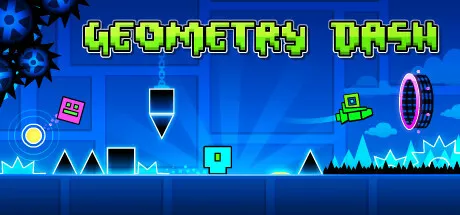
Geometry Dash is not just a rhythm-based platformer; it is a test of patience, precision, memory, and mental endurance. With its deceptively simple one-touch control system, the game challenges players to navigate increasingly complex levels synced perfectly to electronic music. Many players quit early, believing Geometry Dash is unfair or purely trial-and-error, but the truth is that success depends on learning how to play correctly.
This how-to guide is designed to take you from a complete beginner to a confident, skilled Geometry Dash player. You will learn how to train your reflexes, understand level design, master game modes, improve consistency, and develop the mindset needed to conquer even Demon levels.
1. Understanding Geometry Dash Core Mechanics
Geometry Dash is built on precise timing and pattern recognition. Every obstacle, jump, and transition is intentionally placed to sync with the music, meaning the rhythm is part of the gameplay itself.
The core mechanic is simple: tap or click to jump, fly, flip gravity, or dash depending on the mode. However, the simplicity hides an unforgiving physics system where even a millisecond delay can cause failure. This is why Geometry Dash feels so punishing to new players.
To improve, you must understand that Geometry Dash is not reactive gameplay—it is predictive. You are not responding to obstacles; you are anticipating them based on learned patterns and rhythm cues.
Key mechanics to understand early:
- Jump timing and hitbox precision
- Gravity portals and speed changes
- Music synchronization with obstacles
- Momentum and jump buffering
2. How to Start as a Beginner Without Getting Frustrated
Most beginners make the mistake of jumping straight into difficult levels. Geometry Dash is designed with a progression curve that teaches skills gradually.
Start with early official levels like Stereo Madness, Back on Track, and Polargeist. These levels teach basic jump spacing, rhythm awareness, and patience. Do not rush progression—repeating levels is part of the learning process.
Instead of focusing on completion, focus on understanding why you died. Every failure is feedback. Ask yourself:
- Was the jump too early or too late?
- Did I panic instead of following rhythm?
- Did I ignore visual cues?
Beginner tips:
- Play with sound on (music matters)
- Use practice mode early
- Avoid custom Demon levels at first
- Take breaks to avoid tilt
3. How to Use Practice Mode Effectively
Practice mode is the most powerful learning tool in Geometry Dash, yet many players misuse it. Simply spamming checkpoints without intention leads to poor muscle memory.
Use practice mode strategically. Place checkpoints before difficult sections and repeat them until you can pass consistently. If you die more than three times at the same spot, slow down mentally and analyze the pattern.
Advanced practice techniques:
- Remove auto-checkpoints and place them manually
- Practice transitions repeatedly
- Restart the level after mastering sections
- Visualize full runs even in practice mode
Practice mode is not about finishing the level—it is about building confidence and consistency.
4. How to Master Each Game Mode
Geometry Dash features multiple game modes, each requiring different skills and timing.
Cube Mode
This is the foundation of the game. Focus on jump spacing and rhythm alignment. Learn how late jumps feel versus early jumps.
Ship Mode
Ship mode requires controlled tapping. Many beginners over-tap, causing unnecessary altitude changes. Learn to “feather” taps and maintain stable flight.
Ball Mode
Ball mode is about gravity control. Count flips mentally and watch for fake platforms.
Wave Mode
Wave is the hardest mode for most players. Success depends on micro-control and steady rhythm rather than speed.
UFO, Robot, Spider
These modes rely heavily on timing awareness. Learn each jump’s height and delay.
To improve faster:
- Practice each mode in isolation using custom levels
- Focus on smooth inputs, not speed
- Reduce panic by memorizing sequences
5. How to Improve Timing, Rhythm, and Muscle Memory
Geometry Dash is essentially muscle memory training. The more consistent your inputs, the better your performance.
Play levels multiple times even after completion. Repetition reinforces timing accuracy. Try tapping along with the beat outside the game to internalize rhythm.
Ways to improve muscle memory:
- Use consistent input method (mouse or keyboard)
- Play at the same refresh rate
- Avoid switching devices frequently
- Warm up with easier levels before harder ones
Mental focus matters as much as physical timing. Play when relaxed, not frustrated.
6. How to Handle Speed Changes and Transitions
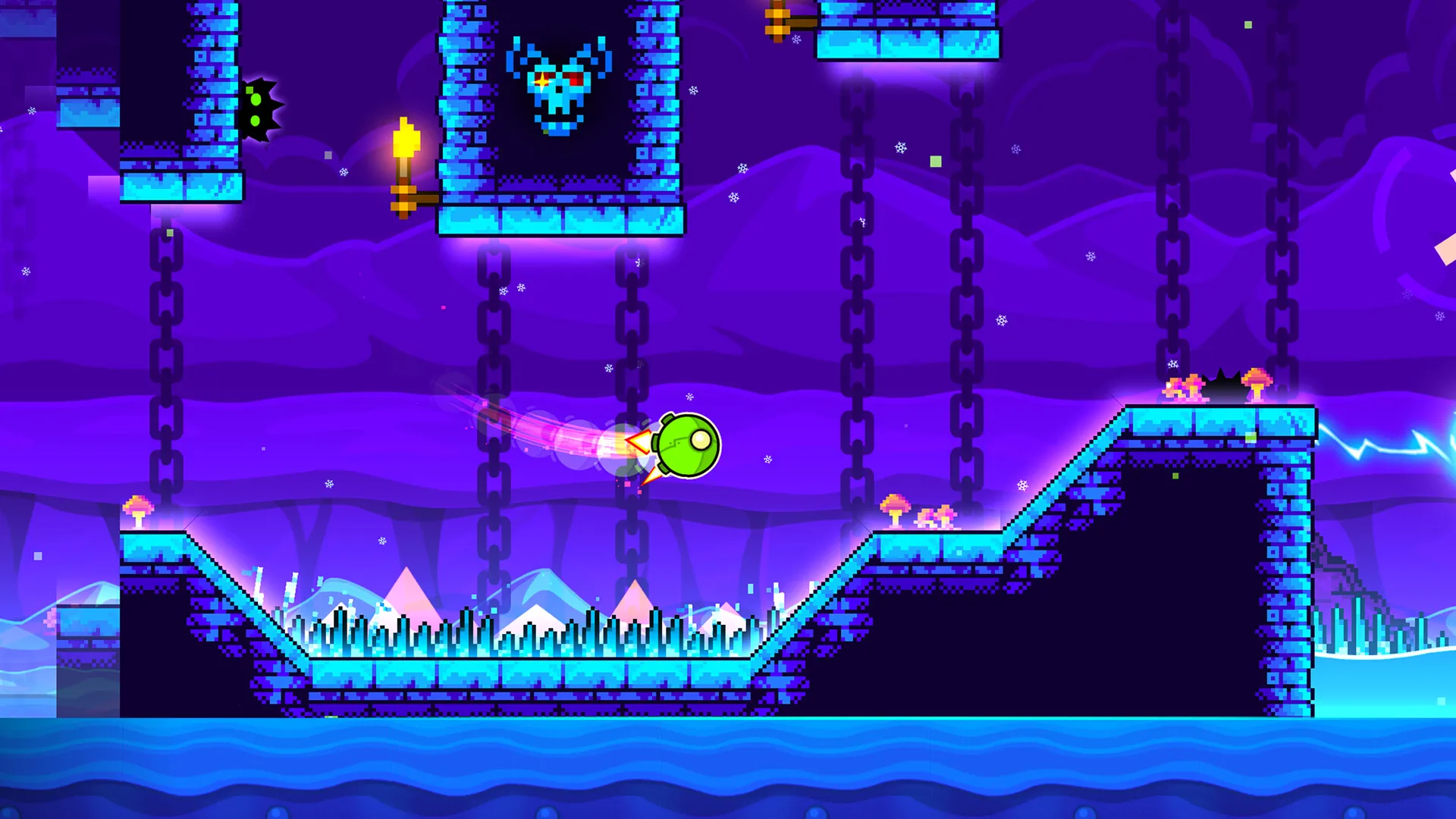
Speed portals and transitions are where most players fail. These moments demand instant adaptation and confidence.
The key is anticipation. Learn to recognize portal colors and symbols instantly. Do not react after entering a portal—prepare before it.
Transition tips:
- Memorize entry timing, not exit reaction
- Practice transitions repeatedly in practice mode
- Focus on keeping rhythm during speed changes
- Do not overcorrect after portals
Transitions become easier once you stop panicking and trust learned patterns.
7. How to Progress from Normal Levels to Demon Levels
Demon levels represent a major skill jump. Before attempting Demons, ensure you can complete:
- All official non-Demon levels
- Multiple Harder and Insane rated levels
- Custom levels with mixed modes
Start with Easy Demons designed for learning, not difficulty spikes. Avoid levels with excessive decoration that hides obstacles.
Demon progression strategy:
- Choose one Demon and commit to it
- Break the level into sections
- Track consistency, not attempt count
- Celebrate small progress milestones
Demon levels are about endurance, not perfection.
8. How to Use Custom Levels and Community Tools
The Geometry Dash community is one of its greatest strengths. Custom levels allow targeted training and creativity.
Use search filters to find:
- Practice levels for specific modes
- Timing challenge levels
- Wave control training maps
You can also use level editors to create your own training sections. Building levels improves understanding of hitboxes, spacing, and difficulty balance.
Community benefits:
- Learning from level design trends
- Discovering optimal practice maps
- Staying motivated through variety
9. How to Maintain the Right Mindset and Avoid Burnout
Geometry Dash is mentally demanding. Burnout is common, especially during long grinding sessions.
Adopt a growth mindset. Death is not failure—it is data. Accept that improvement is gradual and sometimes invisible.
Mental health tips:
- Set session time limits
- Switch between hard and easy levels
- Take breaks after repeated failures
- Avoid comparing progress to others
Progress in Geometry Dash is personal. Consistency beats talent.
10. How to Play Geometry Dash Like a Pro
Professional and top-tier players succeed because of discipline, not just skill. They train deliberately, analyze mistakes, and stay calm under pressure.
Pro habits to adopt:
- Warm up before serious attempts
- Focus on consistency percentages
- Record gameplay to review mistakes
- Practice difficult sections separately
Above all, pros trust their muscle memory. Overthinking causes mistakes. Confidence comes from preparation.
Conclusion
Mastering Geometry Dash is a journey that rewards patience, persistence, and smart practice. By understanding the game’s mechanics, using practice mode correctly, mastering each mode, and maintaining a healthy mindset, any player can improve dramatically.
Geometry Dash is not about being perfect—it is about being consistent. With the right approach, even the hardest levels become achievable. Stick with the process, and the game will reward you.
160-Character Summary
Learn how to master Geometry Dash with this complete how-to guide covering mechanics, practice strategies, game modes, mindset, and pro-level tips.