.webp)








Introduction
Mastering resource optimization is the key to reaching late-game growth in Grow a Garden. As your garden expands, every seed, bucket of water, fertilizer pouch, and plot of soil becomes more valuable—not because they are rare, but because efficient players transform ordinary materials into exponential progress. This guide reveals the most advanced optimization strategies to help you minimize waste, maximize crop output, and ensure your garden reaches peak productivity.
Below are the top 10 expertly structured resource-management methods that experienced players use to stay ahead while keeping their garden stable, scalable, and profitable.
1. Prioritize High-Yield Crops Early
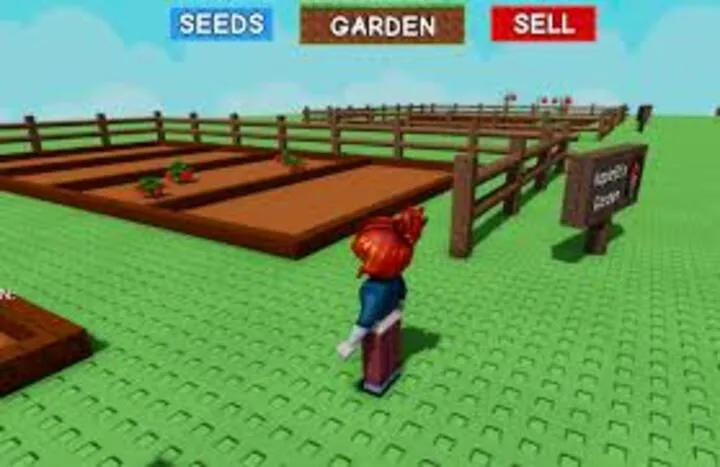
The biggest mistake new players make is planting low-value crops out of convenience. Instead, your primary goal should be maximizing yield per minute.
Recommended high-value crops early on:
- Tomatoes
- Sunflowers
- Carrots (fast growth, low cost)
Planting these ensures consistent returns, giving you the resources needed to upgrade watering tools, expand land, and craft fertilizer sooner.
2. Implement a 3-Plot Rotation System
Rotating crops ensures you never drain soil fertility. This method also helps maintain stable production cycles.
The rotation order:
- Fast-growing crop
- Medium-grow crop
- Soil-restoring crop (beans, peas)
Repeating this rotation cycle prevents stalled growth and keeps resource use balanced throughout the game.
3. Upgrade Watering Tools Before Soil
Many players rush soil upgrades, but mathematically, watering tools have a higher return on investment early.
Benefits of early watering upgrades:
- Faster overall crop maturation
- Lower chance of pest-driven decay
- Reduced need for fertilizer in early game
This improves resource efficiency across your entire garden.
4. Use Fertilizer Sparingly Until Mid-Game
Fertilizer is powerful—but expensive. Avoid using it in early game unless you are mass-cultivating a high-value crop.
When fertilizer becomes worth using:
- You already own 8–10 plots
- You have upgraded watering at least twice
- You are maintaining a steady income cycle
This ensures fertilizer boosts production instead of merely compensating for weak garden infrastructure.
5. Automate Tasks as Soon as Possible
Automation tools—sprinklers, auto-tillers, and soil sensors—appear expensive at first, but they drastically reduce micro-management.

Automation benefits:
- Consistent watering
- Balanced soil health
- Reduced pest appearances
- More time for higher-level tasks (breeding crops, trading, expansions)
Automation should be your mid-game resource priority.
6. Maintain a Balanced Seed Inventory
Running out of seeds disrupts the production cycle. To avoid losing time, keep a diversified seed inventory.
Ideal seed stock:
- 10–15 fast-grow seeds
- 5–10 medium-grow seeds
- 3–5 premium seeds saved for fertilizer boosts
This keeps your planting schedule uninterrupted and efficient.
7. Optimize Storage Capacity Before Major Harvests
Nothing is more wasteful than harvesting crops only to find that your storage is full.
Before any mass harvest, make sure to:
- Upgrade your storage shed
- Sell low-value crops
- Convert extras into compost
Proper storage control prevents unnecessary losses.
8. Use Compost to Cut Fertilizer Costs
Compost is free and renewable—so use it. By composting extra crops, rotten produce, or weeds, you can save up to 40% of fertilizer expenses.
What to compost:
- Low-value harvests
- Leftover common seeds
- Pest-damaged crops
This efficient recycling loop keeps your garden sustainable and cost-effective.
9. Synchronize Crop Timers for Mass Harvesting
One of the most advanced strategies is time synchronization—aligning crops so they mature at roughly the same time.
Benefits:
- Faster selling cycles
- More efficient fertilizer usage
- Better planning for expansions
- Reduced tool switching
This strategy is essential for speedrunners and high-efficiency players.
10. Expand Land Strategically, Not Randomly
Don’t waste resources expanding every plot you see. Instead, expand in rows that align well with:
- Watering patterns
- Automation tool coverage
- Sunlight zones
Strategic expansions give you more yield with fewer upgrades.
Conclusion
Resource optimization transforms your garden from “functional” into a powerful production engine capable of scaling effortlessly into late game. By prioritizing high-yield crops, upgrading tools strategically, maintaining efficient cycles, and using automation wisely, you set up your garden for long-term success. Apply these strategies consistently, and you'll see exponential growth, stable income, and a garden that practically runs itself.