.webp)





At first, Grow a Garden feels relaxing and simple. Players plant seeds, wait for crops to grow, and earn coins. But as progression continues, efficiency and planning become far more important than casual clicking. This article explains how Grow a Garden slowly transforms from a chill farming game into a strategic management experience.
1. Early Gameplay: Learning the Core Loop
The beginning focuses on understanding the basic loop.
Plant → wait → harvest → sell.
Beginner Focus
- Understanding growth timers
- Learning crop values
Core Insight
The game teaches patience before optimization.
2. Time as the Most Valuable Resource
In Grow a Garden, time controls progress.
Players who waste time progress slower.
Time Factors
- Crop growth duration
- Idle vs active play
Efficiency Rule
Always have something growing.
3. Crop Selection Strategy
Not all crops are equal.
Some provide better long-term value.
Smart Selection
- Balance fast crops and high-profit crops
- Avoid over-planting low-value plants
Strategy Insight
Profit per minute matters more than profit per harvest.
4. Space Management and Layout
Garden space is limited early on.
Poor layout reduces efficiency.
Layout Principles
- Group similar crops
- Leave room for expansion
Long-Term Benefit
Clean layouts scale better.
5. Upgrade Timing and Decision-Making
Upgrades accelerate growth.
But upgrading too early can slow progress.
Common Mistakes
- Spending coins immediately
- Ignoring return on investment
Smart Rule
Upgrade when it shortens future grind.
6. Balancing Idle and Active Play
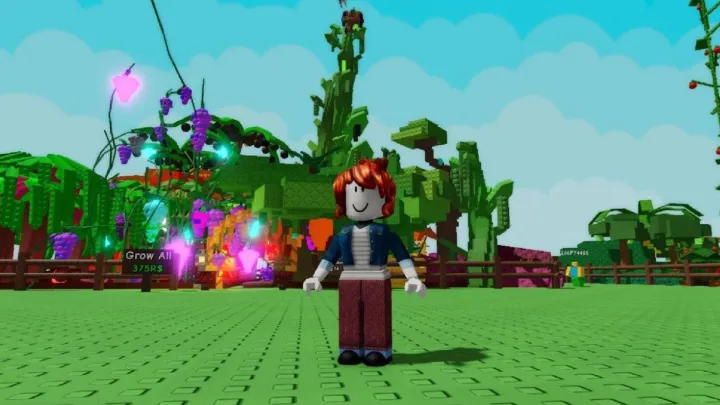
Grow a Garden supports idle progression.
However, active play still matters.
Playstyle Balance
- Idle for passive income
- Active play for faster scaling
Insight
The best progress comes from combining both.
7. Avoiding Burnout Through Planning
Repeated farming can feel monotonous.
Planning reduces fatigue.
Anti-Burnout Tips
- Set short-term goals
- Track upgrade milestones
Mental Advantage
Clear goals maintain motivation.
8. Economy Awareness
Coins are easy to earn—but easy to waste.
Economic Discipline
- Prioritize growth-related spending
- Delay cosmetic purchases
Strategy Rule
Cosmetics follow stability, not the other way around.
9. Late-Game Optimization
Late-game progression slows naturally.
Only optimization creates progress.
Optimization Areas
- Crop rotation
- Upgrade efficiency
- Time management
Advanced Insight
Small efficiency gains stack over time.
10. The Management Mindset
Grow a Garden rewards players who think like managers.
Not farmers.
Manager Habits
- Track efficiency
- Plan upgrades
- Reduce wasted actions
Winning Formula
Consistency beats speed.
Conclusion
Grow a Garden is more than a relaxing farming game. Beneath its calm appearance lies a system that rewards planning, efficiency, and long-term thinking. Players who manage time, space, and upgrades carefully will always progress faster than those who play reactively.