






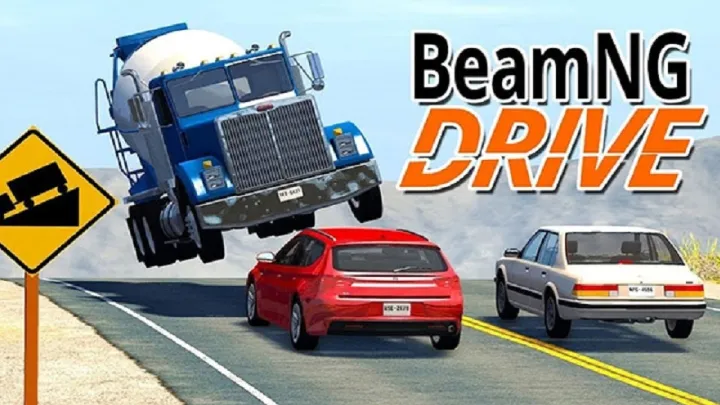
BeamNG.drive is a unique driving simulator known for its realistic handling and soft-body physics engine, which allows for exceptional vehicle deformation and damage. While the game has gained popularity for its engaging gameplay and modding potential, a significant issue persists regarding the complexity and calibration of its damage physics system. This article will delve into the intricacies of vehicle damage in BeamNG.drive, discussing how it affects player experience, the technical challenges faced by developers, and potential solutions for improving gameplay.
Introduction to BeamNG.drive
A Unique Driving Simulation Experience
Released in 2013, BeamNG.drive has captivated players with its unparalleled attention to detail in vehicle dynamics and crash simulations. Utilizing a sophisticated soft-body physics engine, it delivers a more realistic driving experience compared to conventional racing games. Drivers can navigate diverse environments, from rural roads to urban landscapes, while experimenting with various vehicles ranging from sports cars to massive trucks.
The Allure of Realism
The game’s emphasis on realism extends beyond vehicle handling and extends to realistic damage simulation. Players can crash, flip, and roll their vehicles, witnessing astonishingly accurate deformation and damage effects. However, this aspect, while appealing, raises questions about optimization, realism, and, in some instances, gameplay balance.
Understanding the Damage Physics System
The Mechanics of Vehicle Damage
At the core of BeamNG.drive is its soft-body physics engine, which allows vehicles to bend and crumple realistically upon collision. Each vehicle is made up of thousands of nodes and beams that simulate physical interactions, meaning that even minor impacts can lead to significant visual and mechanical changes. Understanding this system is key to appreciating the game's depth.
Technical Challenges of Damage Physics
While the damage system offers realism, it presents numerous technical challenges. These include the need for extensive computational power to calculate real-time physics interactions and the potential for bugs and glitches in the simulation. The complexity leads to various issues that have repercussions on performance and, in some cases, gameplay experience.
The Impact of Damage Realism on Gameplay
Realism Versus Playability
One of the significant dilemmas within the damage physics system is the balance between realism and playability. Players often desire a simulation that responds accurately to their actions, but excessive realism can detract from fun. For example, severe damage might cause a vehicle to become undriveable—while this mirrors reality, it may frustrate players who want to continue using their favorite cars.
Player Sentiment and Feedback
Players have voiced mixed feelings regarding the system's impact on gameplay. Some appreciate the challenge that arises from realistic damage, while others find it exaggerated, especially when even minor impacts lead to significant damage. This feedback highlights the need for continuous calibration to enhance player experience while maintaining realistic behavior.
The Role of Modding Communities
An Expansive Modding Landscape
BeamNG.drive benefits from a vibrant modding community that actively contributes to the game's content. Custom vehicles, maps, and scenarios enhance gameplay, providing players with new experiences and gameplay modes. Modding also includes altered damage physics, which players can customize to suit their preferences, whether aiming for higher realism or more arcade-like experiences.
Balancing Original Intent with Modifications
While modding has enriched BeamNG.drive, it poses a challenge regarding the preservation of the original experience. Some mods may introduce unintended consequences, creating disparities in how damage is handled. Developers need to find the right balance between supporting modders and maintaining the core physics experience that players expect.
Technical Limitations and Performance Issues
Performance Challenges
As the damage physics system operates in real-time, managing performance is a challenge, particularly on lower-end systems. Players have reported significant frame rate drops during intense scenarios involving multiple vehicles and extensive damage. Addressing these issues is crucial in ensuring that all players have a smooth and enjoyable experience.
Solutions and Optimizations
To resolve performance problems, developers could introduce various optimizations, such as simplified collision models or adjustable damage settings that allow players to choose their level of detail. This would help accommodate a broader audience, including those with less powerful hardware.
Calibration and Balancing the Damage System
Finding the Sweet Spot
Calibrating the damage system is essential for player satisfaction. While the realistic deformation offers an immersive experience, ensuring that players can still enjoy their vehicles is equally important. Finding the right "sweet spot" where players feel challenged yet rewarded is crucial for enhancing overall experience.
Ongoing Refinements
Regular updates that consider community feedback can help refine the damage system. Engagement with the player base can reveal specific pain points in the damage mechanics, leading to targeted adjustments to improve gameplay balance.
Exploring Game Modes and Their Impact on Damage Mechanics
Scenarios and Challenges
BeamNG.drive features various game modes where damage physics play a significant role. From racing modes to crash test scenarios, the dynamics of vehicle damage change depending on context. Players engaging in challenge modes expect a different experience than those participating in casual driving sessions.
Custom Game Modes
The introduction of user-created game modes can also shift how damage mechanics are experienced. Custom scenarios may tweak damage settings or offer unique challenges based on vehicle durability, encouraging players to explore different aspects of the physics engine.
Community Engagement and Developer Interaction
Importance of Feedback Loops
Developers must establish and maintain clear feedback loops with the community to ensure ongoing engagement. Platforms like forums, Discord, and social media serve as valuable avenues for player input on damage mechanics and overall game balance.
Open Communication Channels
Transparency in communication fosters trust between players and developers. Regular updates on what the community is working on, future plans for calibrating the damage system, and patches addressing specific issues can greatly enhance player satisfaction.
The Future of BeamNG.drive Damage Mechanics
Innovations in Physics
As technology evolves, so too can the damage and physics systems in BeamNG.drive. Future updates could leverage advancements in computing power to enhance realism and gameplay without sacrificing performance. Innovations such as machine learning algorithms may lead to optimization opportunities, making real-time physics calculations more efficient.
Expanding Player Engagement
Enhancing player engagement through community-driven initiatives can also pave the way for exciting developments. Collaborating with modders or hosting community challenges centered around damage mechanics can keep the conversation alive, promoting ongoing investment in the game.
Conclusion
BeamNG.drive stands as a testament to the potential of realistic simulation within driving games, particularly in its remarkable damage physics system. However, the challenges of balancing realism and playability with technical limitations pose significant issues for both developers and players. By actively engaging with the community and making iterative adjustments, the developers can refine these mechanics to create a rewarding experience. Smart introductions of innovations and open channels for feedback will help shape the future of the game, ensuring that BeamNG.drive remains a beloved classic in the racing simulation world.