.webp)





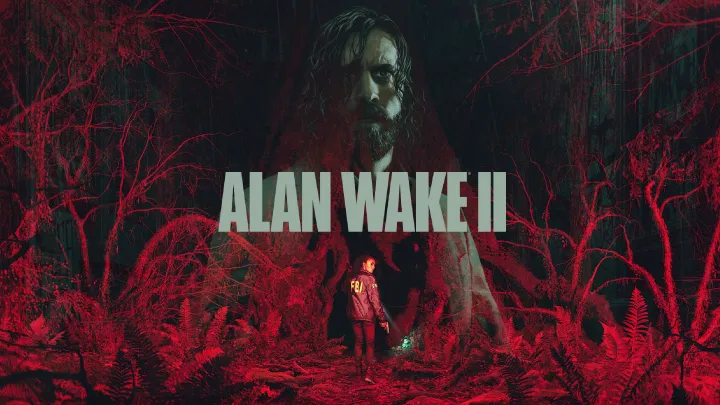
Alan Wake II, the psychological horror game developed by Remedy Entertainment, continues the narratives woven in its predecessor while diving deeper into horror, narrative complexity, and the struggle between light and darkness. A sequel that expands upon themes of identity, madness, and the very fabric of reality beckons players into a rich tapestry of storytelling. This article will explore the profound impact of the issue of "mental health representation" within the game, analyzing how it shapes the narrative and the experiences of players.
Introduction
In Alan Wake II, players step back into the tortured mind of writer Alan Wake, whose life has become entwined with supernatural forces and a dark narrative of his own creation. Unlike traditional games that focus on survival or action, this title emphasizes psychological depth. One of the missed opportunities in video game storytelling is the handling of mental health issues. Alan Wake II addresses this topic with a mix of sensitivity and horror, shedding light on the often stigmatized subject. This exploration provides insights into the character’s struggles while challenging players to confront their own perceptions of mental health.
The Beginning of the Descent into Madness
The Premise of Alan Wake II
Alan Wake II picks up some years after the events of the first game. Alan has been trapped in an enigmatic horror that he once authored, navigating an abyss of darkness where the boundary between reality and fiction disappears. The game’s Urgent focus on mental health is evident from the start, presenting Wake not as merely an action hero battling external monsters, but as someone grappling with profound inner turmoil.
The Impact of Trauma
The narrative is framed through Wake’s struggles with trauma—whether from his past, the loss of his wife, or the weight of his unending battle against the creatures born from his own mind. This portrayal highlights the lingering effects of trauma on an individual’s psyche. The visuals and storytelling effectively create an atmosphere thick with unease, and players are constantly reminded of Wake’s fragile state of mind.
The depiction of trauma can lead to varied interpretations of Wake’s journey. The game challenges players to examine how unresolved trauma can warp a sense of self and lead one down darker paths, making it a compelling focal point for both narrative analysis and personal reflection.
Navigating Identity and Reality
The Duality of Alan's Character
Central to the storyline is the duality of Alan Wake as both protagonist and antagonist. The concept of identity in the game is multilayered—Alan is both the character players control and the writer whose story seems to have taken control over him. This haunting duality manifests in the narrative, presenting a continuous tug-of-war within Wake himself.
Fragmented Reality
As players progress, Alan is shown to unravel, leading to moments where his perception of reality seems increasingly fragmented. The manipulation of reality—a theme often explored in psychological narratives—raises critical questions about the distinction between reality and imagination. Alan struggles to maintain his grip on sanity, which echoes the real-life experiences of those battling mental illness.
The portrayal of Wake's fragmented psyche serves as a metaphor for the convoluted paths individuals take when grappling with their identities. It depicts the journey of self-discovery often filled with confusion and fear, making players consider how fixed their own understanding of identity might be.
Reflections of Isolation
The Theme of Isolation
Isolation is a poignant theme woven throughout Alan Wake II. Players witness Alan's descent into solitude as he wrestles not only with external forces but also with his own thoughts. The game’s environments, from eerie forests to surreal settings that feel both familiar yet alien, reinforce this sense of isolation.
Emotional and Psychological Isolation
At its core, the game exposes the emotional and psychological isolation experienced by those struggling with mental health. There are moments where Alan meets figures from his past—some that represent comfort, while others symbolize his trauma. These encounters create an emotional landscape that reflects the complexities of anxiety and loneliness, making players question how isolation can affect one’s mental health.
The connection drawn between physical environments and emotional states further enhances the narrative's depth. Players are left to navigate not just the physical world but also the arduous emotional terrain that Wake inhabits.
The Role of Narrative Control
Authorial Intent and Agency
The concept of narrative control is a vital component of Alan Wake II. As a writer, Alan's intent often clashes with the story that unfolds around him. This unique perspective allows players to explore how creators grapple with their creations, particularly when those creations become malevolent.
Consequences of Creation
Alan’s attempts to recapture ownership of his story can be seen as a reflection of real-life challenges faced by individuals dealing with mental illness. In many respects, the responsibilities associated with creative works—be it writing, art, or other forms—can lead to overwhelming feelings of inadequacy or anxiety.
The game illustrates the consequences of creativity as a double-edged sword, providing players with an opportunity to reflect on how one's work can simultaneously be a source of joy and torment. This theme resonates deeply with those aware of the pressures of performance and the underlying fears prevalent in creative fields.
Interpretation of Darkness
Darkness as a Character
The game intricately personifies darkness, which becomes a formidable entity in Alan's journey. This portrayal effectively symbolizes not just fear and horror, but also the mental afflictions that accompany such feelings. Darkness is not merely an external force; it's deeply intertwined with Alan's mental landscape.
Symbolism of Light and Hope
Contrastingly, light emerges as both a tool for survival and a symbol of hope. Throughout the gameplay, light is depicted as a means to combat the darkness, representing clarity and the potential for healing. This interplay between light and darkness enriches the narrative, prompting players to explore their own relationships with fear and hope.
The emotional resonance of light symbolizing hope is particularly powerful. It suggests that even amid tremendous inner turmoil, there are paths to healing and understanding, highlighting the importance of seeking help in real life.
The Gameplay Dynamics of Horror
Mechanics of Fear
Alan Wake II utilizes innovative gameplay mechanics that contribute to its horror elements. Players are often required to utilize light as a tactical weapon against the darkness—a reflection of the thematic elements discussed throughout the article. This gameplay style is unique in its marriage of light-based tactics with narrative depth.
Psychological Horror Elements
The psychological horror elements are further enhanced by dynamic environmental storytelling. The atmosphere immerses players in the palpable tension of the game, emphasizing the unsettling nature of Alan's experiences. This design choice allows for a deeper emotional connection, heightening awareness of how mental health manifests through environmental triggers.
Players are prompted not only to survive but to confront their fears actively, which aligns with the real-world journey many undertake in facing mental health challenges. This creates an engaging experience that invites players to reflect critically upon their own fears and coping mechanisms.
The Reception and Impact on Mental Health Conversations
Critical Reception
Critically, Alan Wake II has garnered significant praise not only for its gameplay and visuals but also for its thoughtful engagement with mental health themes. Reviewers have underscored the game’s ability to prompt discussions about mental health representation in media, highlighting its potential to foster understanding and compassion.
Cultural Conversations
The broader cultural conversation surrounding mental health continues to evolve, and Alan Wake II contributes to this dialogue. Its nuanced portrayal of mental illness challenges gamers to reconsider preconceived notions and stereotypes associated with mental health. By presenting a multifaceted character like Alan, the game invites players to empathize and engage in dialogues that transcend the virtual world.
Deconstructing the stigma surrounding mental health is crucial, and games like Alan Wake II play an essential role in this effort by providing a platform for artistic expression that reflects real-world issues.
Conclusion
Alan Wake II weaves a complex narrative exploring themes of trauma, identity, and mental health representation that resonate with players on multiple levels. With its focus on psychological nuances, the game invites players to engage with their struggles while promoting empathy for those dealing with similar issues. By navigating through darkness towards the light, both Alan and the players embark on a journey filled with both fear and hope, showcasing the potential for understanding and healing in the face of profound psychological challenges.
In summary, Alan Wake II offers a powerful reflection on mental health, weaving a narrative that encourages deep emotional engagement from players while fostering critical discussions around the stigma associated with mental illness.